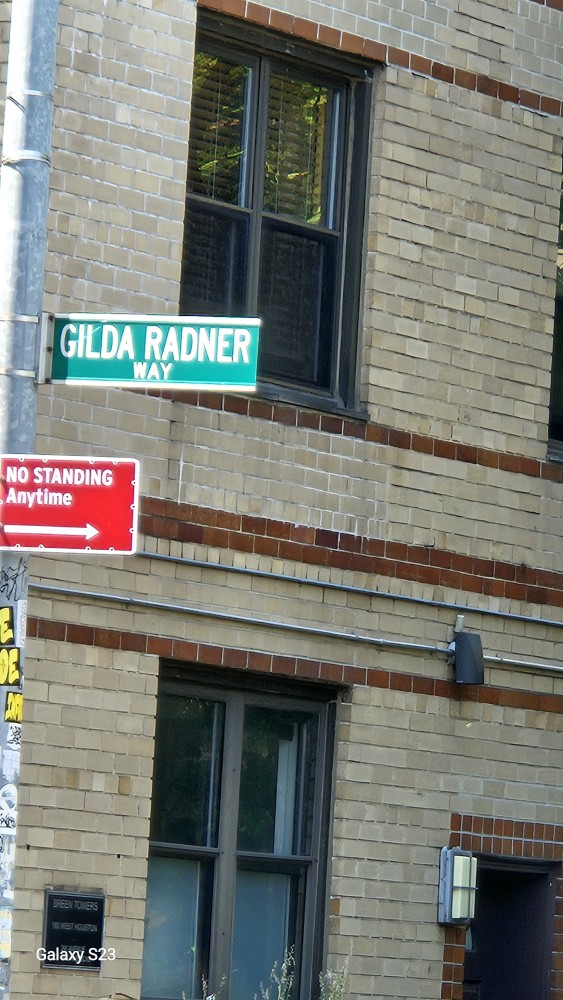
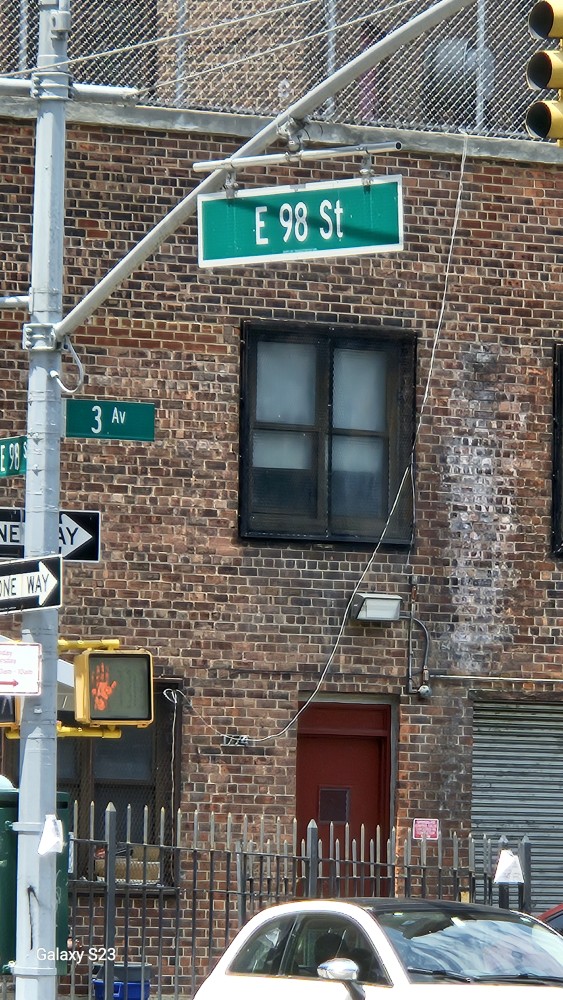
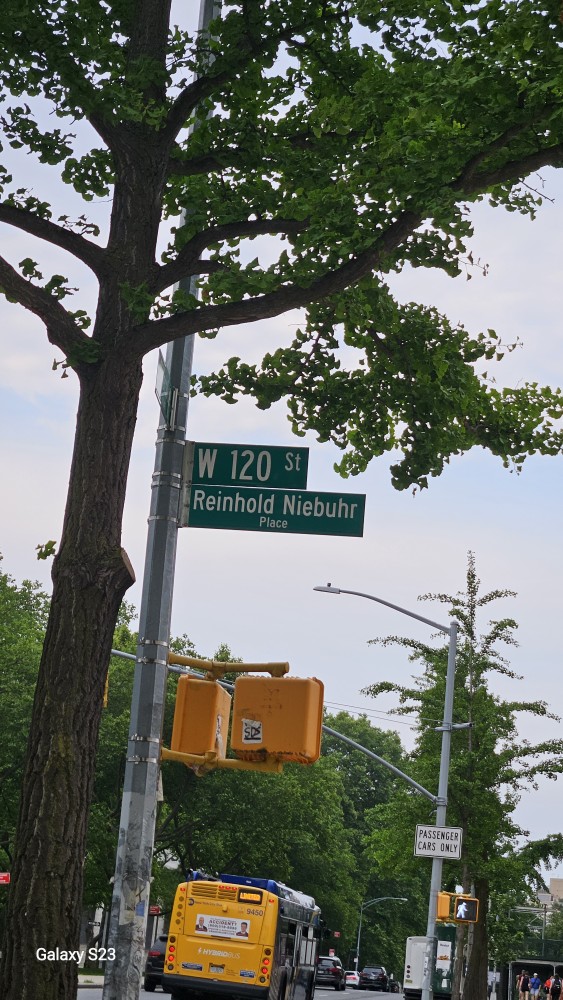
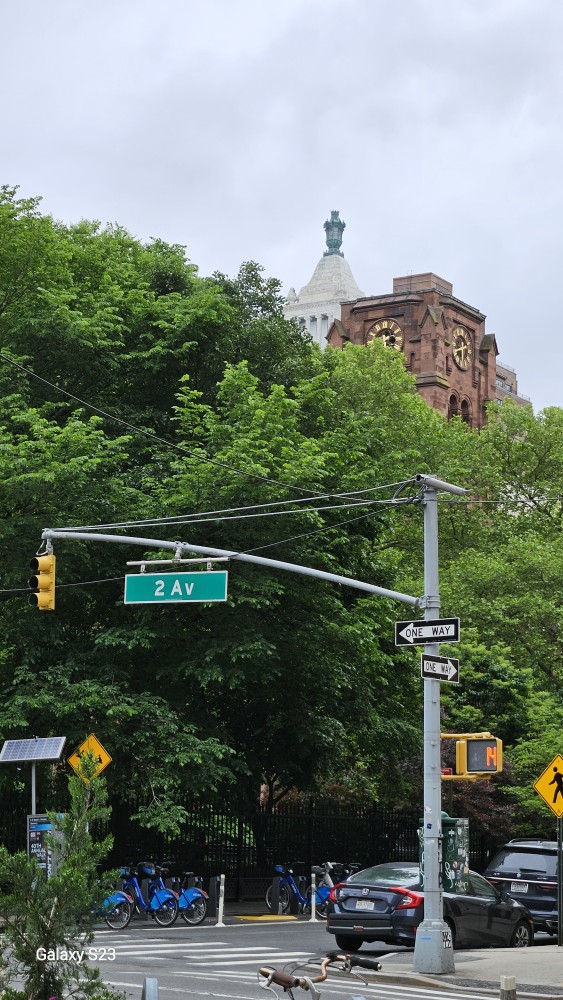


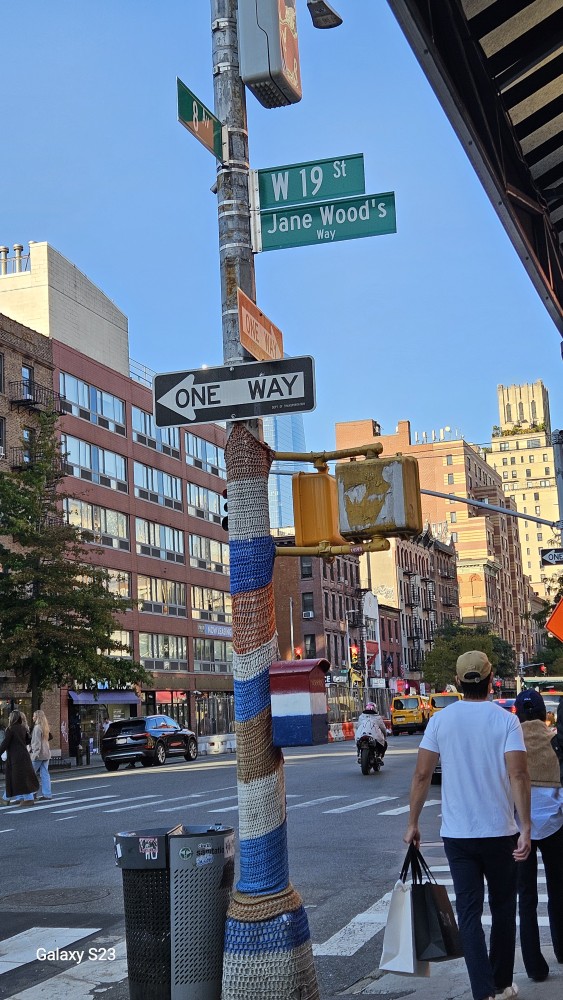
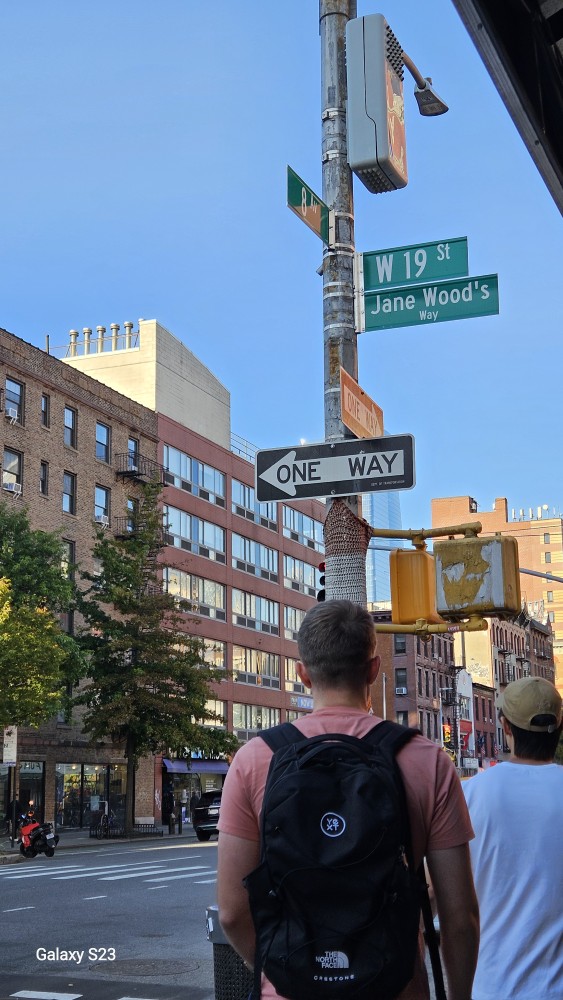
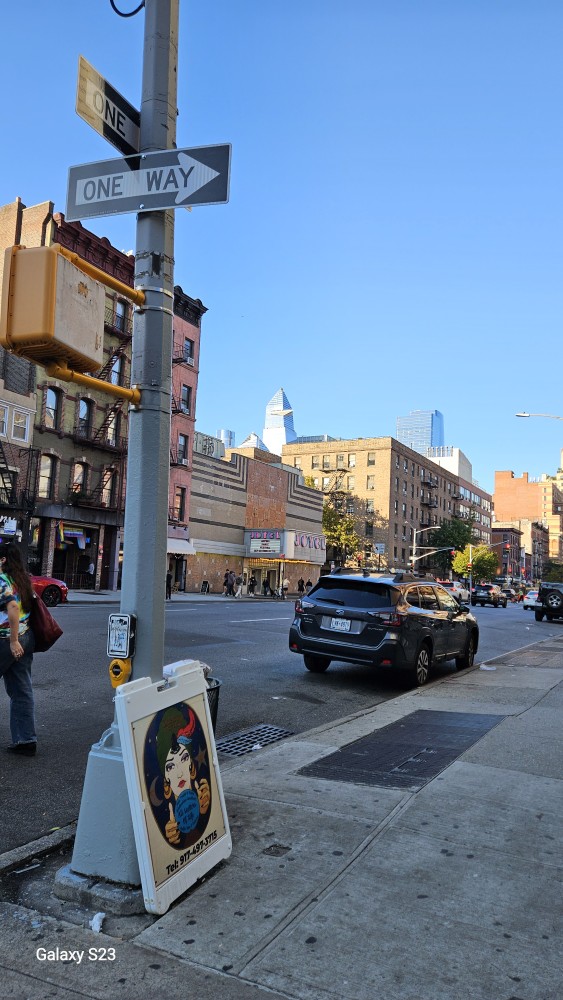
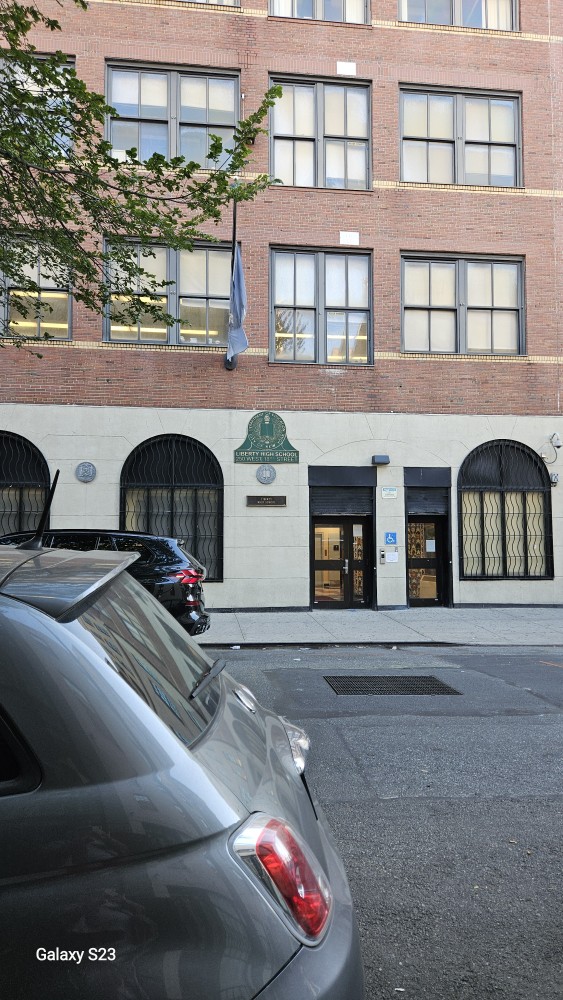
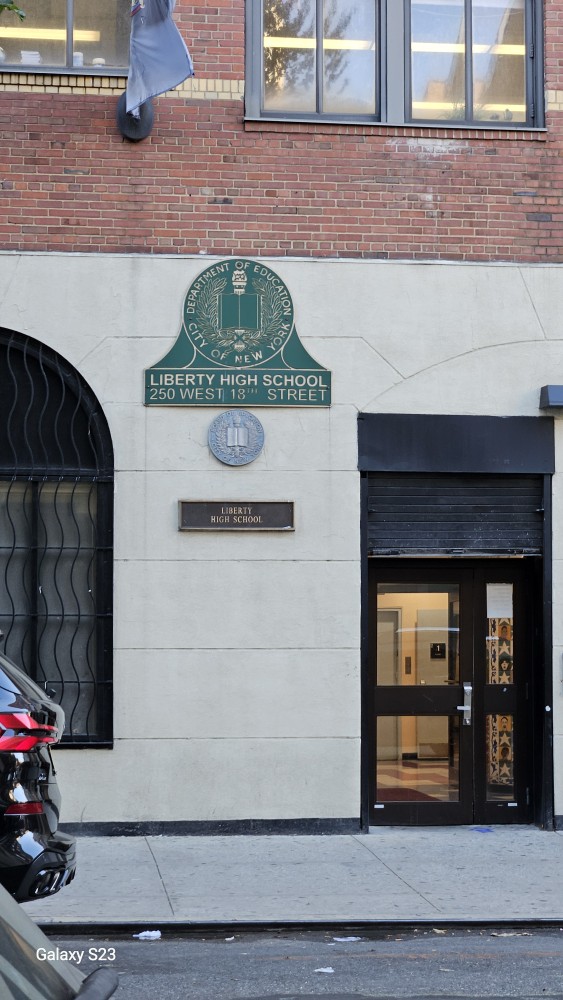
Having recently had a speakeasy experience, I am alert to hidden bars.
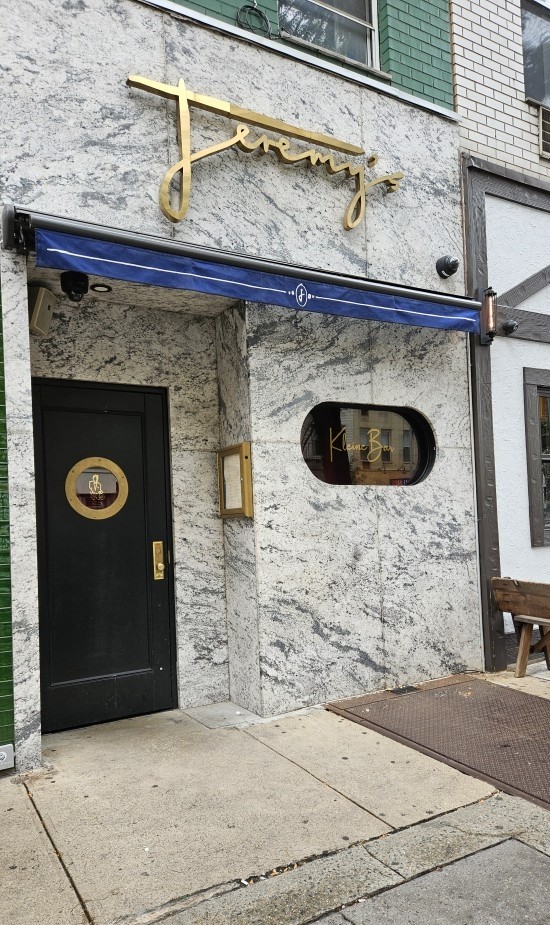
Having your name over the door technically disqualifies you or rather your joint as a speakeasy!
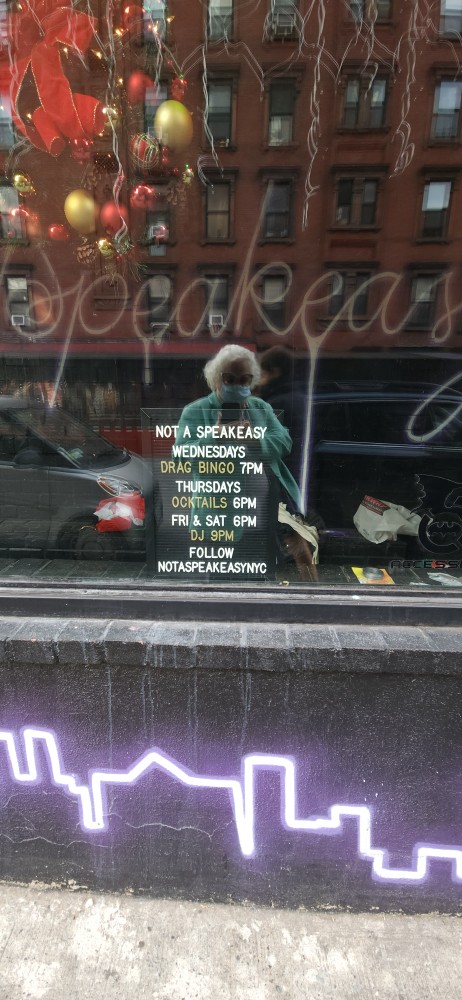
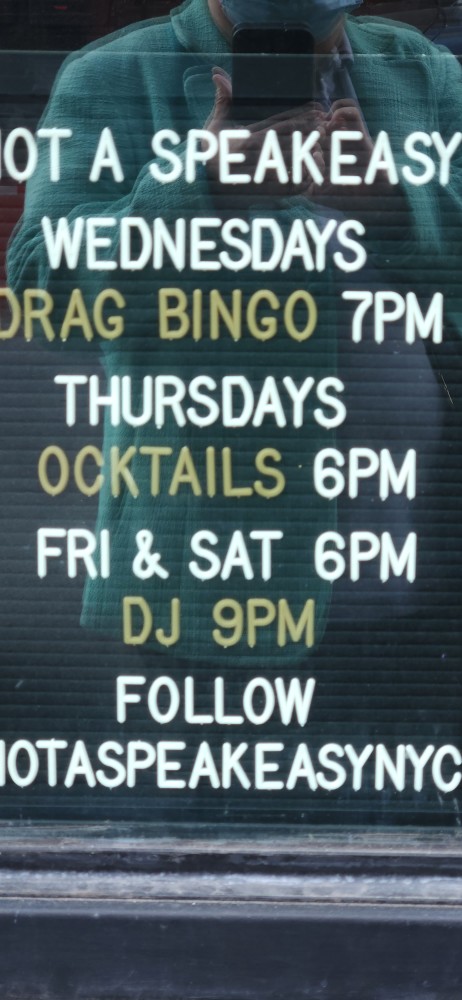
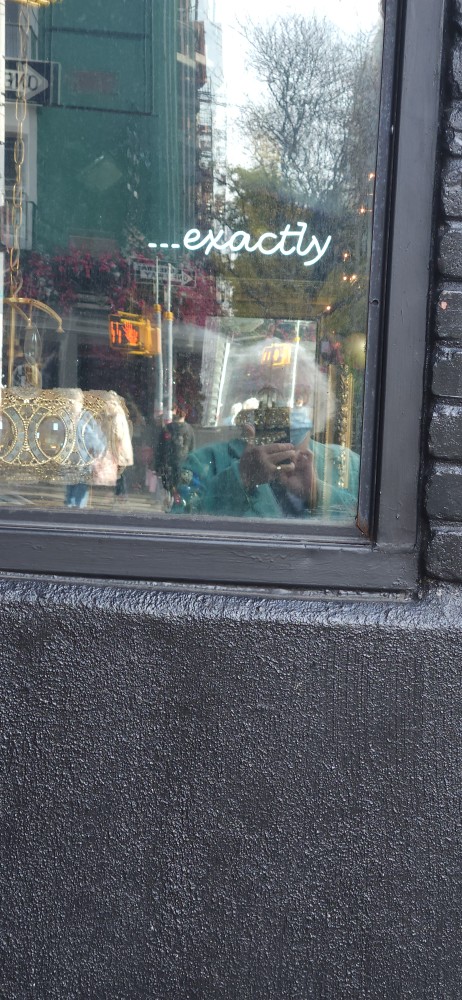

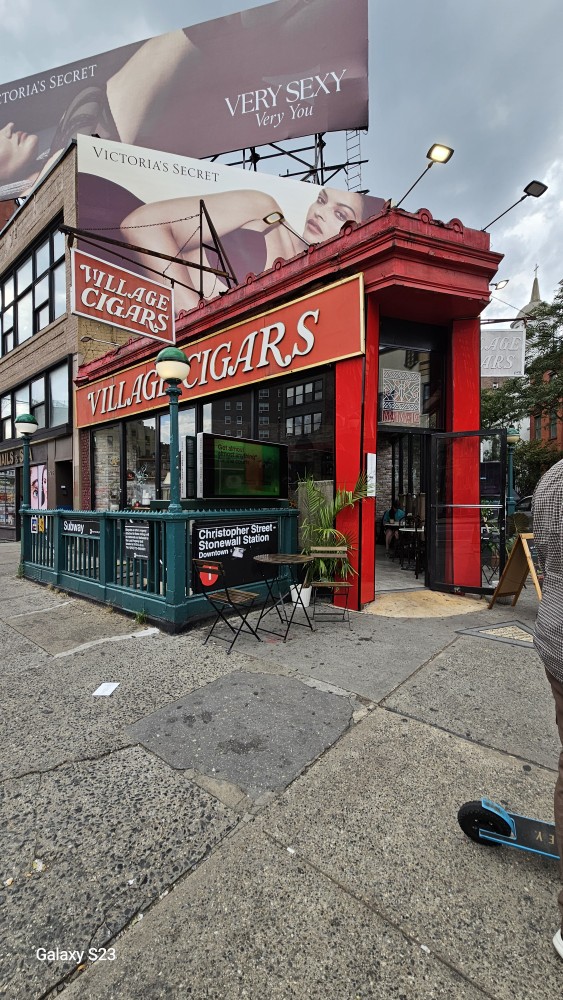


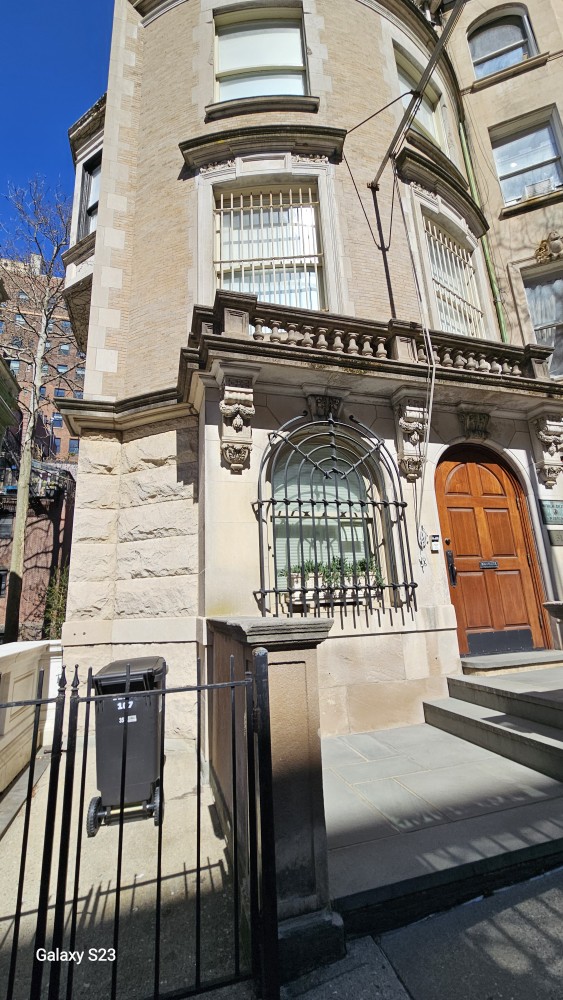
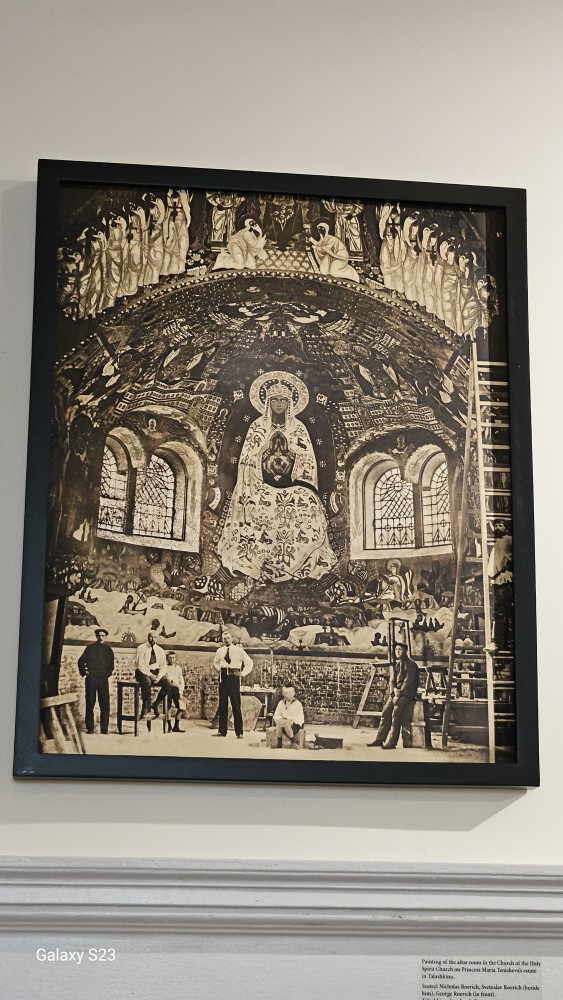
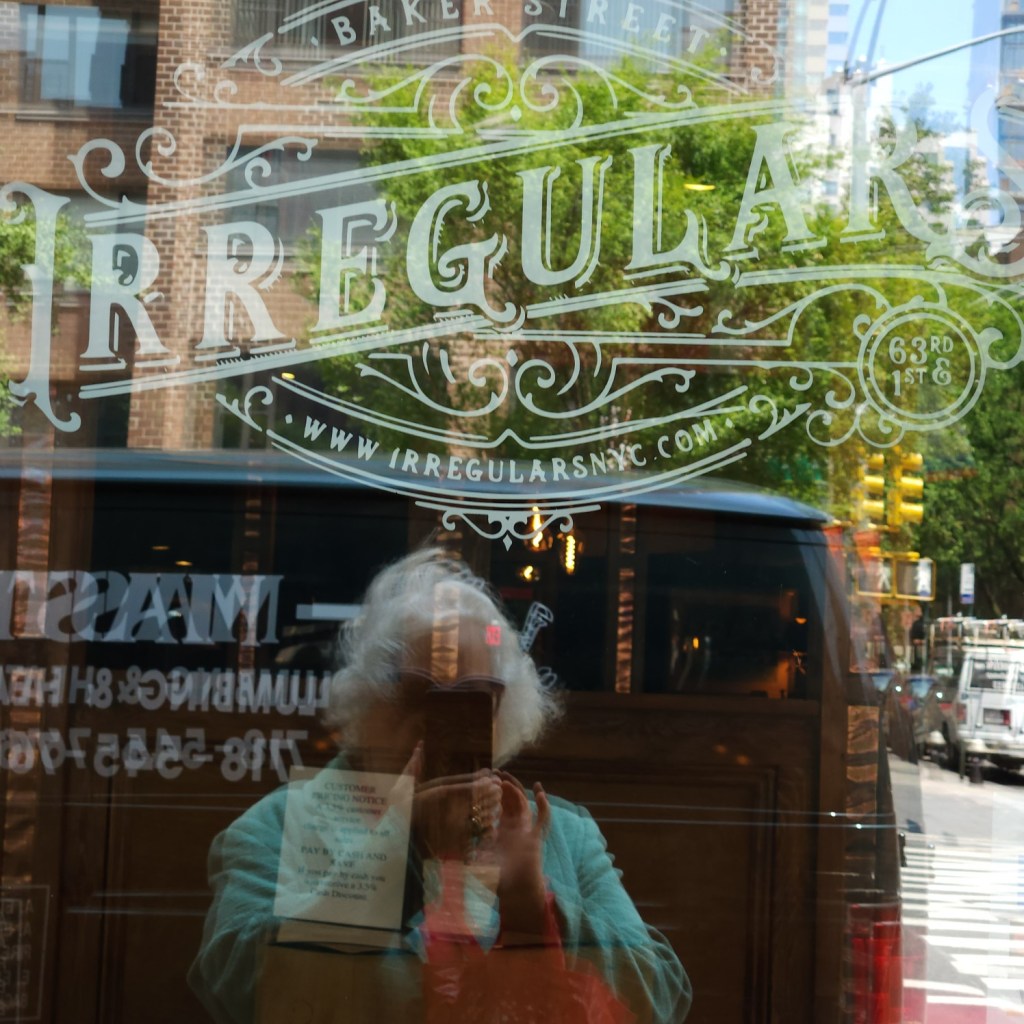
All of these are technically not secret enough to be speaks, but they harbor a mystery.
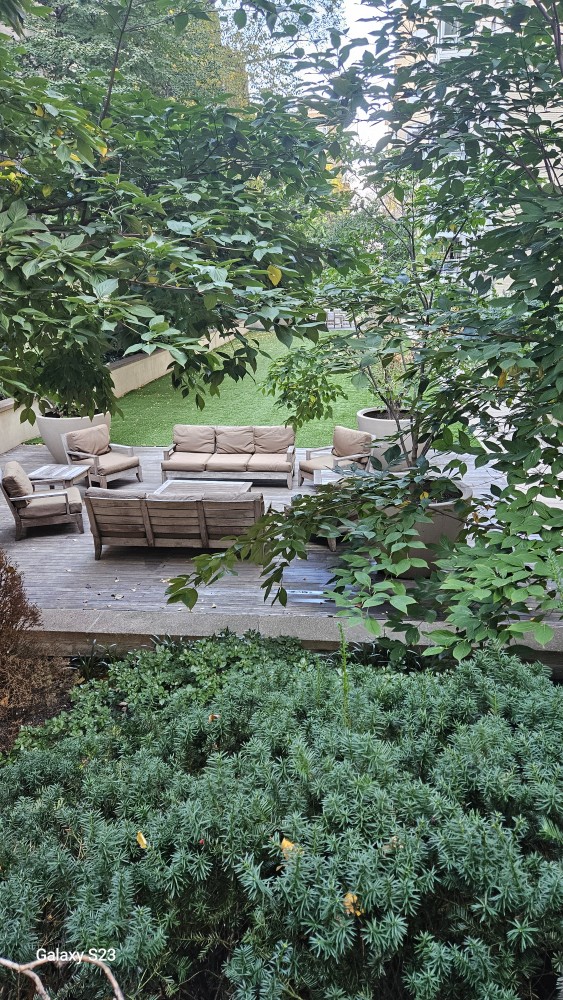
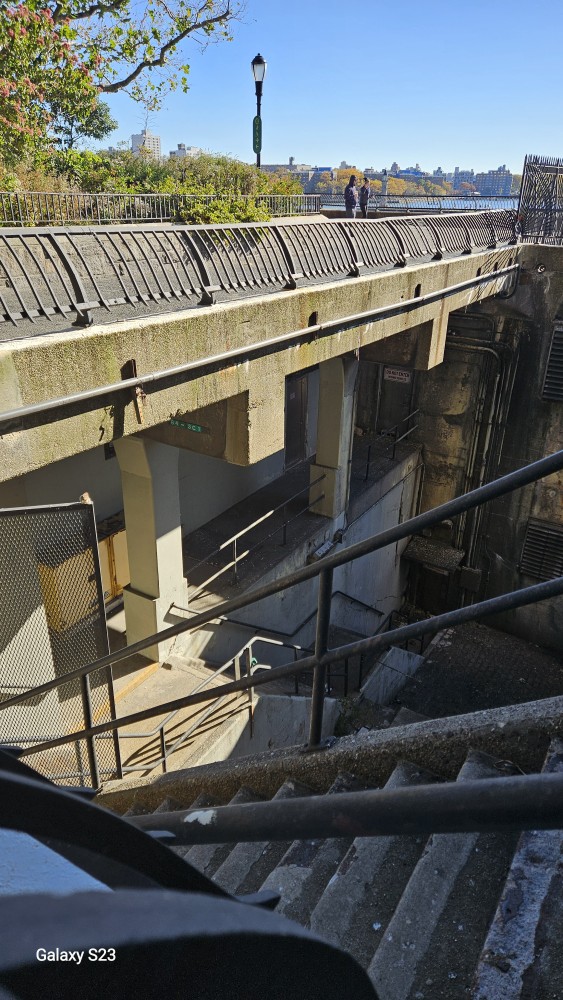
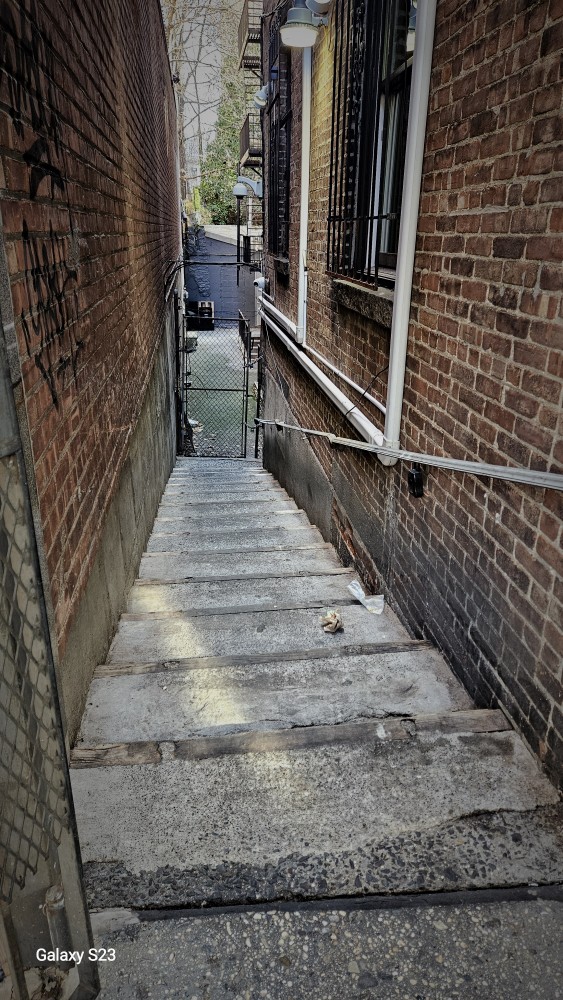
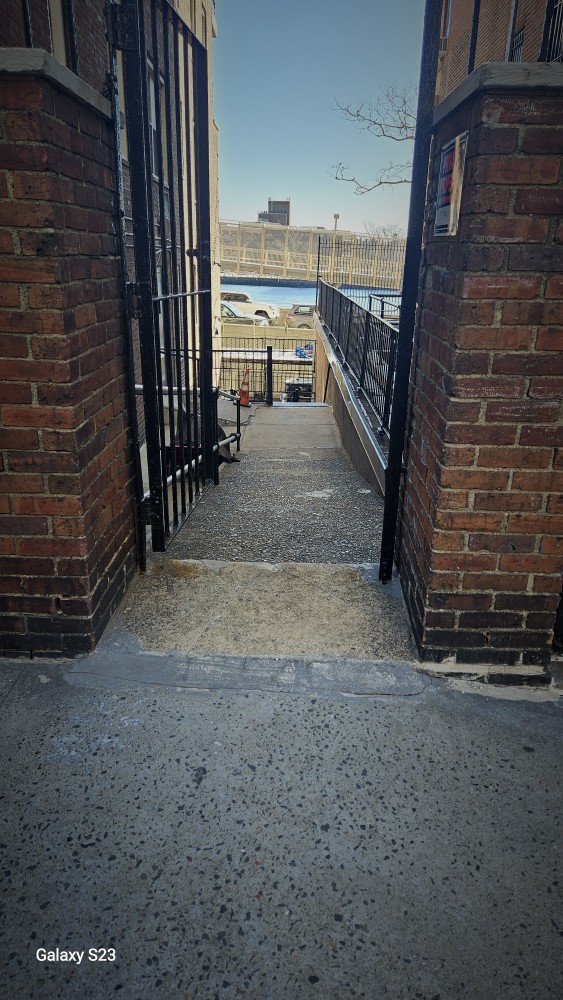
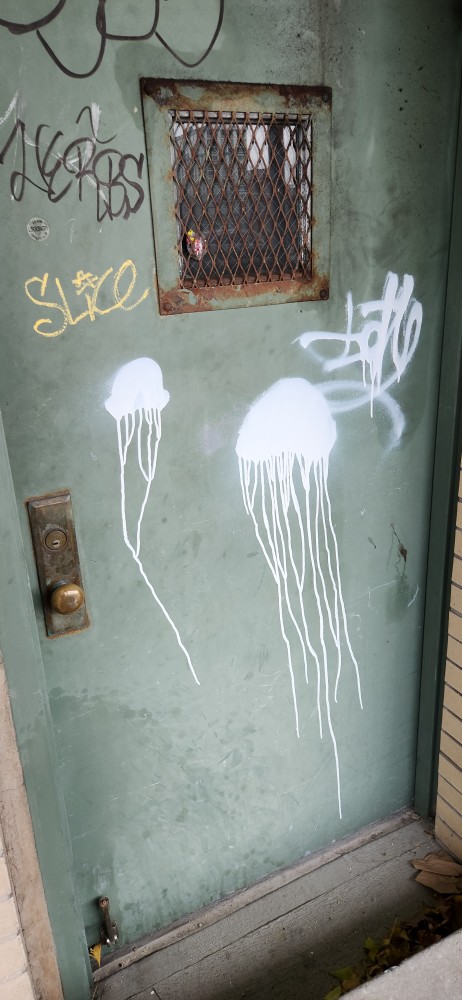
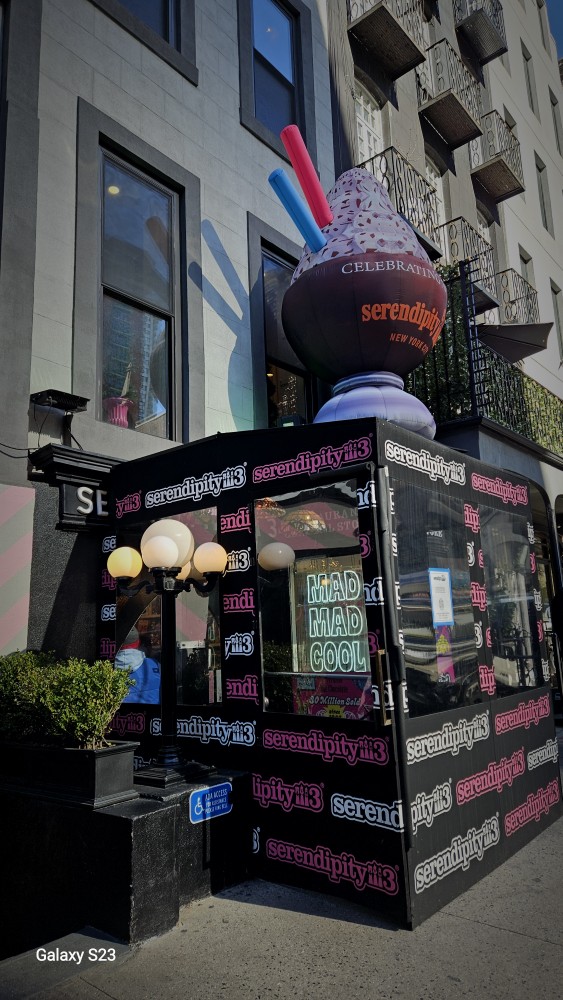
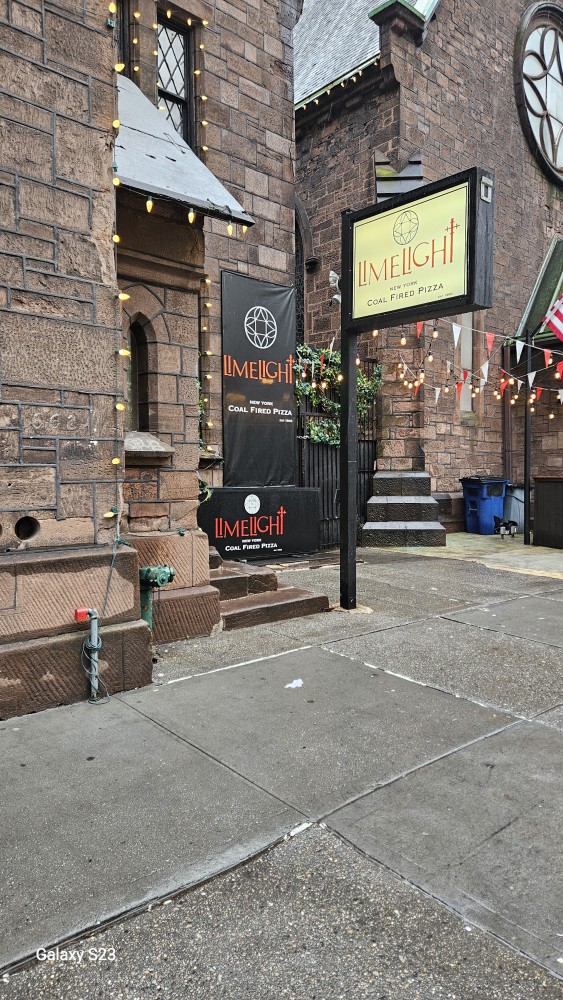
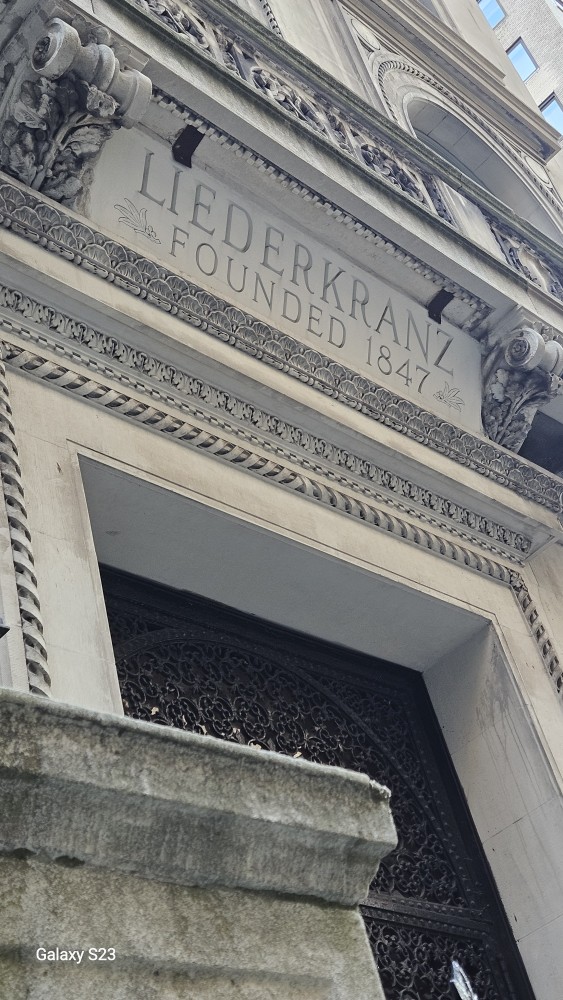

Back alleys, belowstairs steps and small doors are also mysterious. Enough for me.
We need calm, accurate, factual history to survive this moment. That history, American history, relies on the Constitution, the Bill of Rights, 250 years of democracy.
Most of us, by a margin so large that we should not despair, ⅔ of we, the people support that long ingrained democracy. Yes, there are more Americans who stand on the pro-democracy side.
Our national pro-democracy historian is the calm, sane voice of Heather Cox Richardson.
Heather Cox Richardson is a national treasure: share her words and efforts as widely as you can.
Those are just two samples of the exemplary HCR offering her wisdom. Spread it. Far and wide.
The heartthrobs of my generation included Cary Grant in old films from the distant past.
More contemporaneously I count Paul Newman, who was a grown man while I was still a girl. The movies keeps their beauty alive, of course.
Newman shared the screen with Robert Redford, a man just 11 years my senior.
Redford passed away at 89 last week. His filmography would be the curriculum for a degree in cinema. Redford was brilliantly handsome.
Redford was never handsomer than he’d been in The Way We Were. It’s always been one of my favorite pictures; Burt and I saw it any time it was on television.
As he aged, Redford kept his good looks, gorgeously craggy in films like The Horse Whisperer. He had been in front of and behind the camera on that project. One of many movies in his long movie star career.

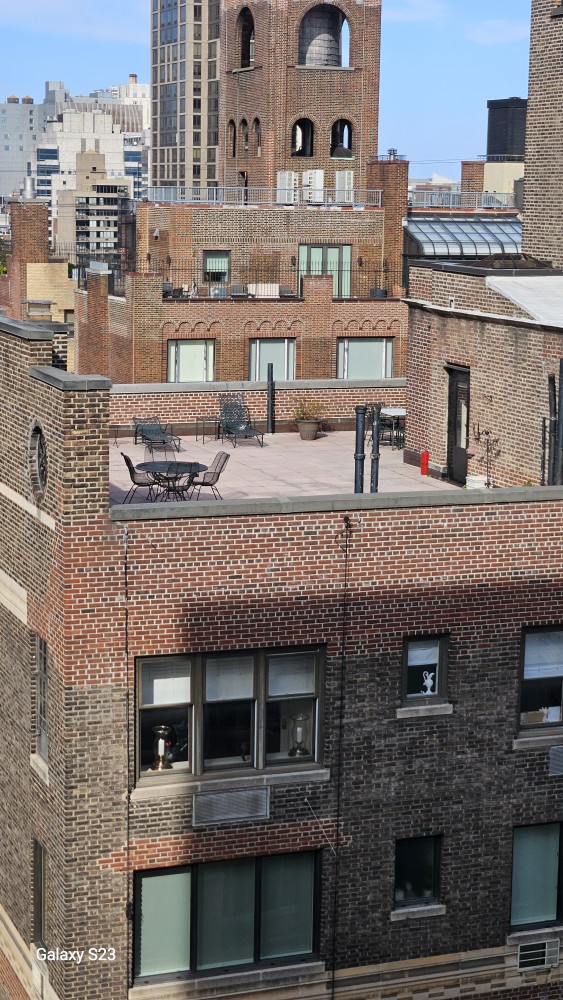
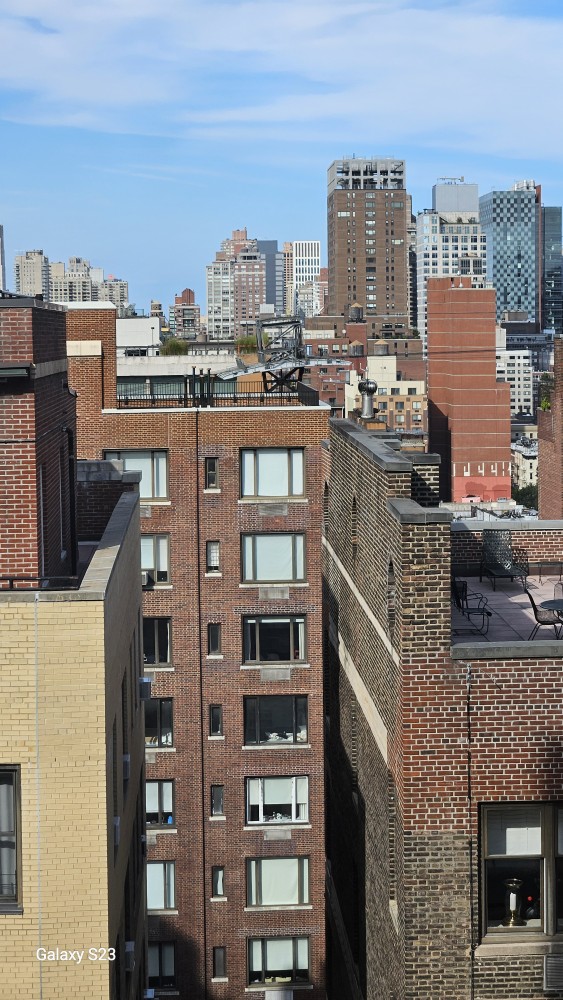
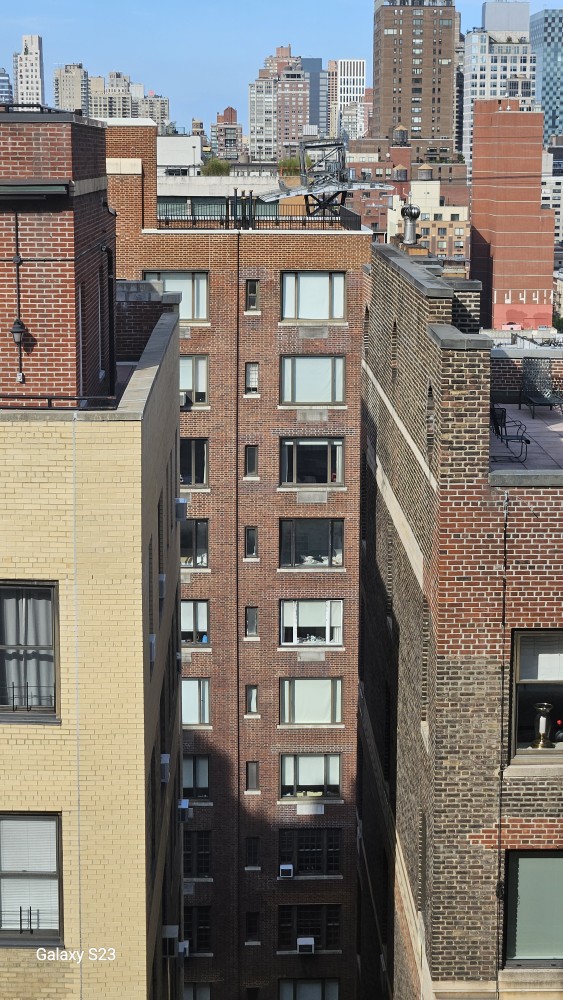


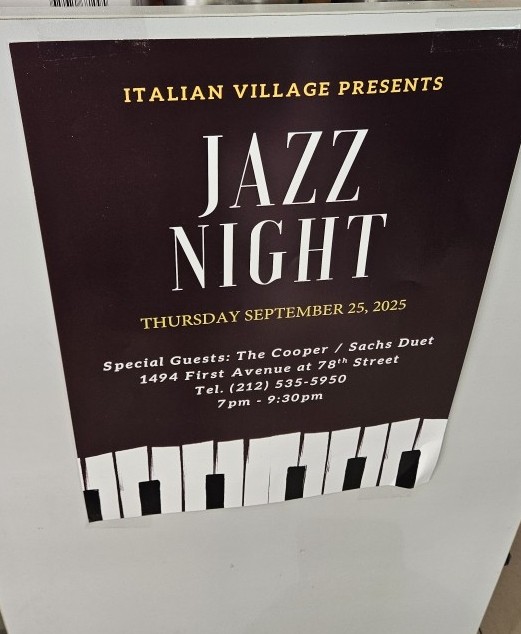
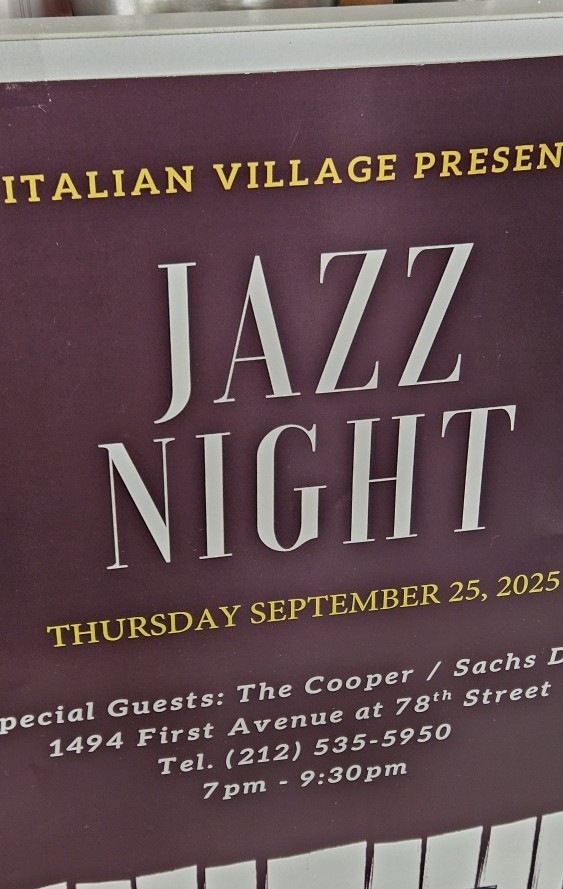
Jazz at the Italian Village should be fun.
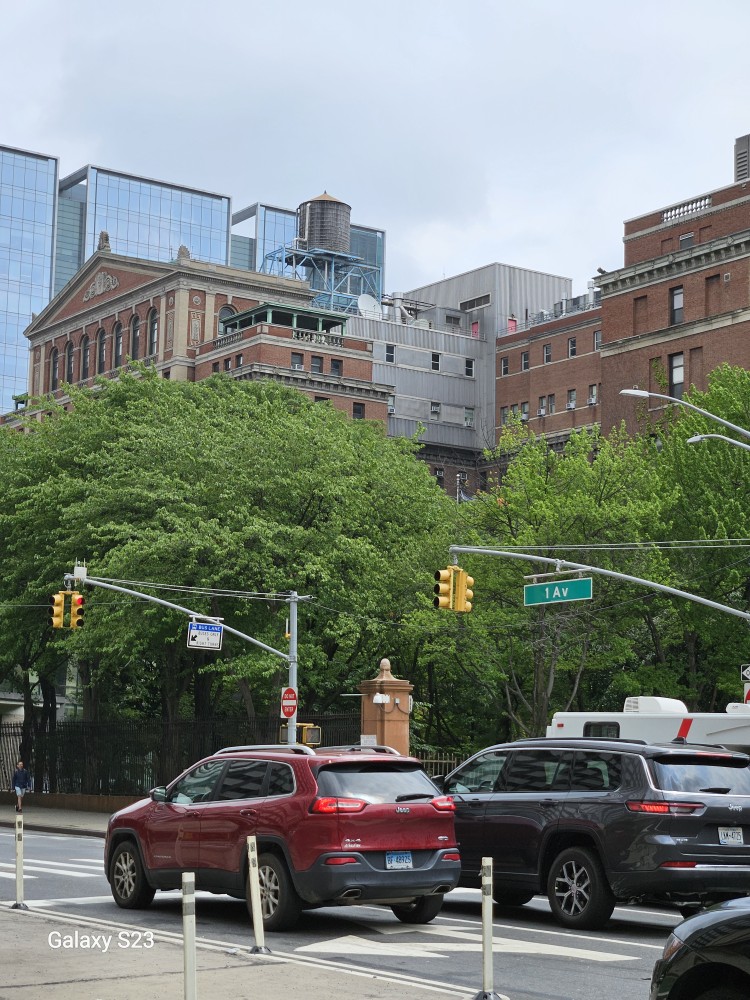
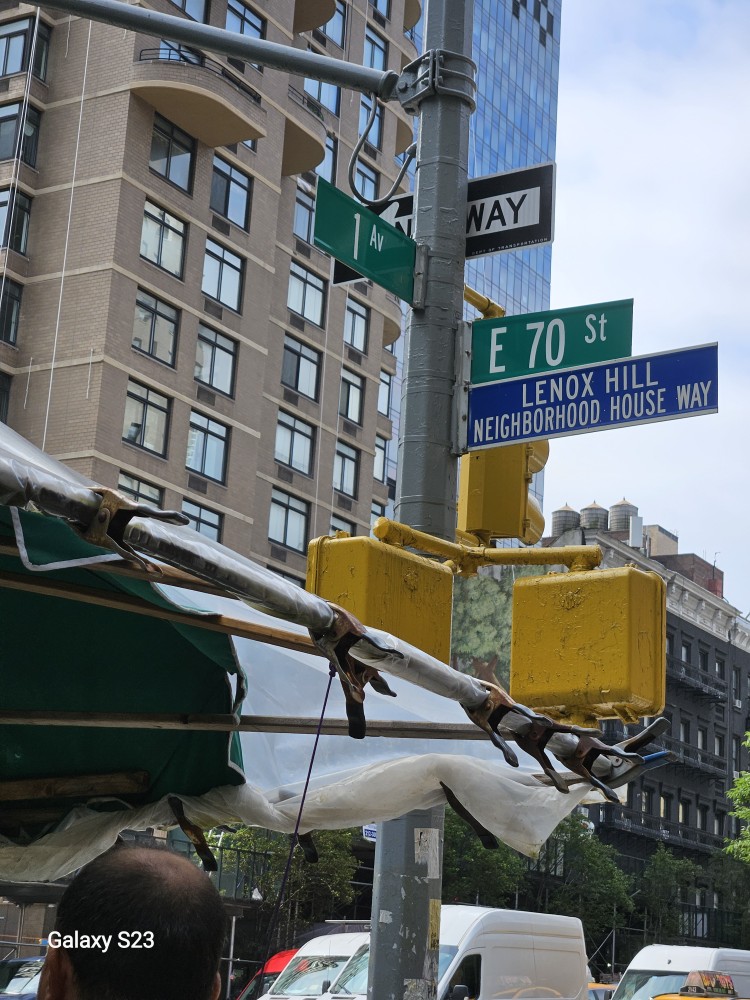
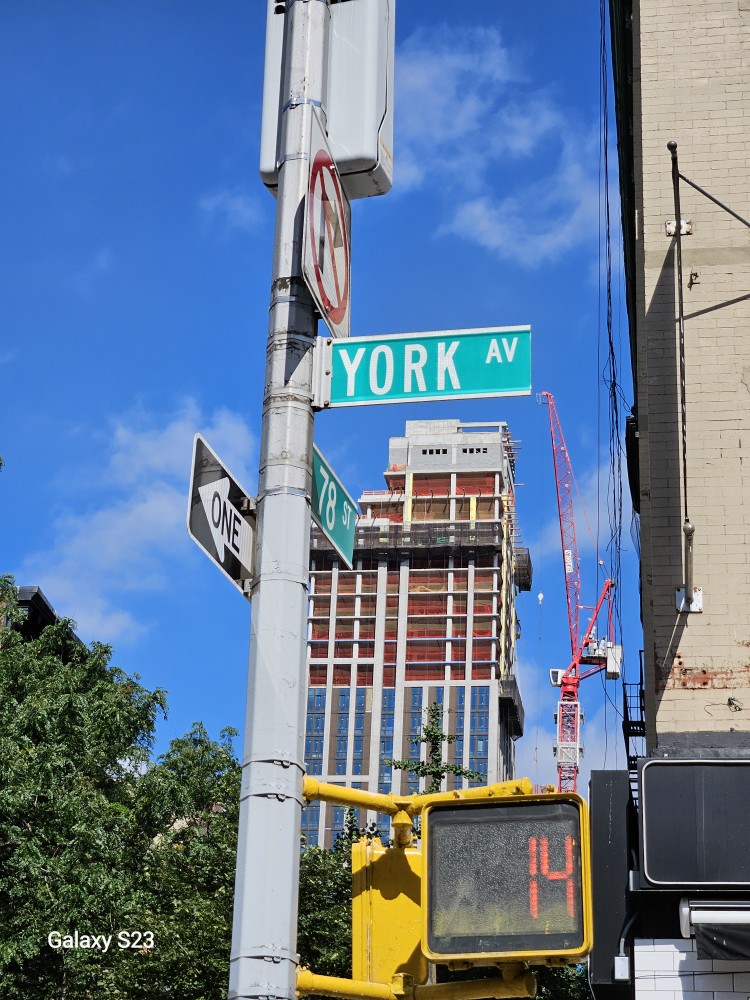
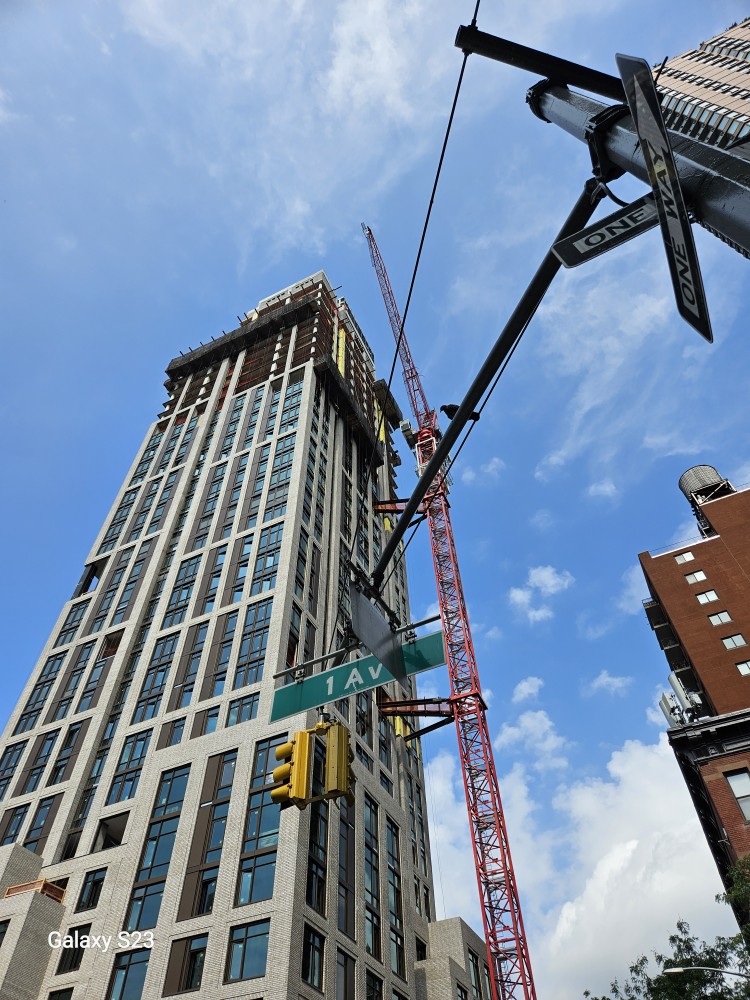
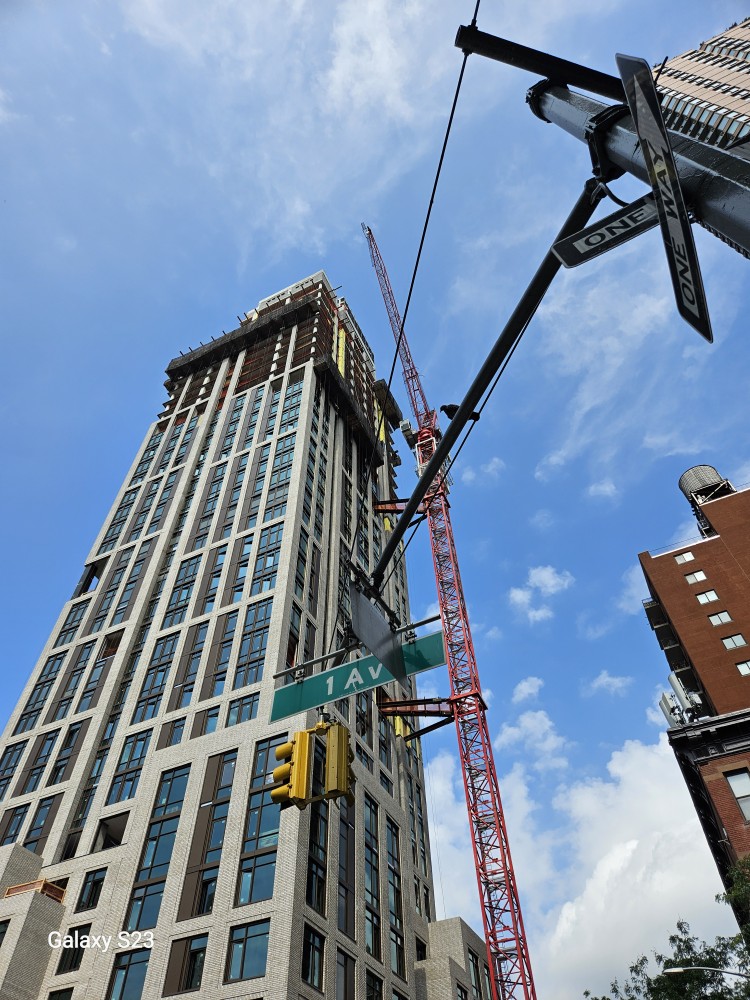
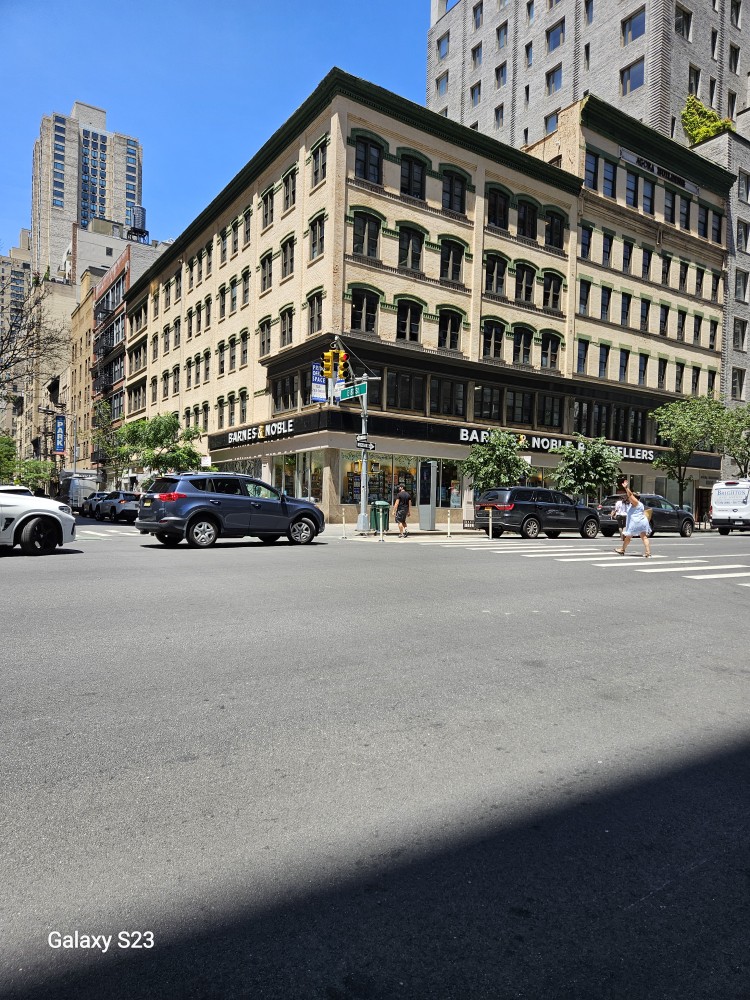
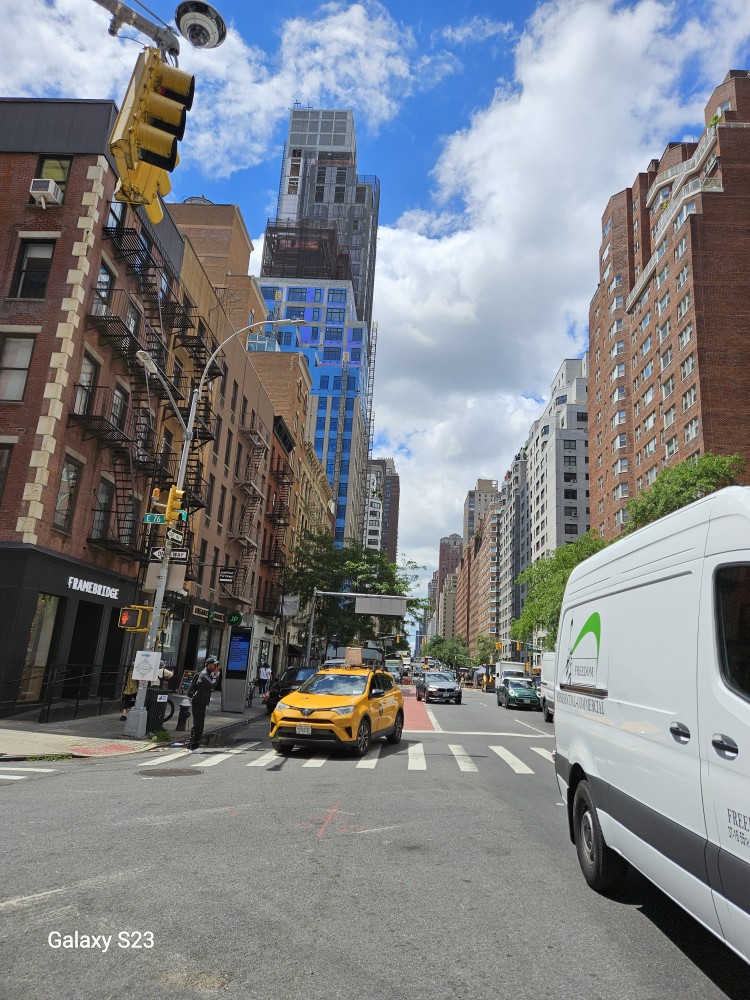
If you’re near 1st Av and 78th on Thursday, Sep 25th come see how it goes.
We Take Clouds for Granted
Clouds are changing, and we need to find out if it’s just temporary or from global warming.
By Gavin Pretor-Pinney and Taylor MaggiacomoNew York Times
My rebuttal: I beg to differ. I never take clouds for granted.
See #clouds at https://ourcitylife.art.blog/ for instance.
Mr. Pretor-Pinney is an author in Somerset, Britain, and the founder of the Cloud Appreciation Society.
I founded the Cloud Appreciation Society in 2005 because I believed we should all pay more attention to the sky. It was originally just a lighthearted idea — I felt I needed to stand up for clouds.
In Britain, where I live, they’ve always received a bad rap because they have a habit of raining on our barbecues. The Society was for anyone who, like me, believed that clouds are one of the most evocative, dynamic and accessible aspects of nature.
Over the past two decades, tens of thousands of people have joined the Society from all around the world, and I’ve come to realize there are also weightier reasons for paying more attention to clouds. Some relate to our mental health, and how the sky is an ever-present resource for us. Others relate to atmospheric science, and the way changing cloud cover in a warming climate could shift how clouds regulate temperatures below, which is the subject of my guest essay this week.
The world has changed in both these domains over the life of the Society. Our need to be out in nature for well-being has never been greater. Our attention economy is, of course, dependent on getting us to look down — at our devices. Looking up at the sky is something we can all choose to do at any moment. It is a way to lift our perspective.
Tuning in to the sky encourages you to slow down, to follow a narrative with no beginning and no end, to find what is common between us rather than what divides. No one, as far as I am aware, has ever come to blows over the beauty of a sunrise.
The scientific case for paying more attention to the sky is, I now believe, even more profound. That these most dynamic aspects of nature should change as the global climate heats up has, to me, always seemed likely. Now, the science is starting to show us how, and the stakes are high. The sky, it turns out, is both mirror and messenger. It reflects our need for wonder, and it carries the signals of what lies ahead.New York Times
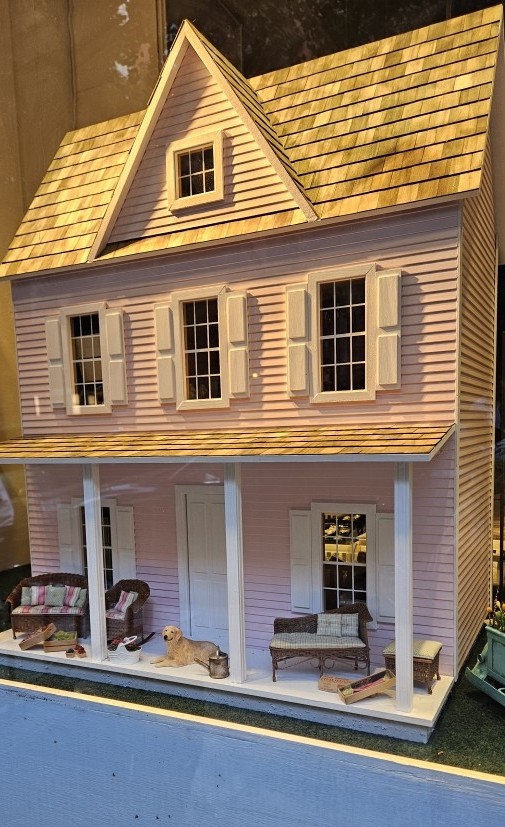
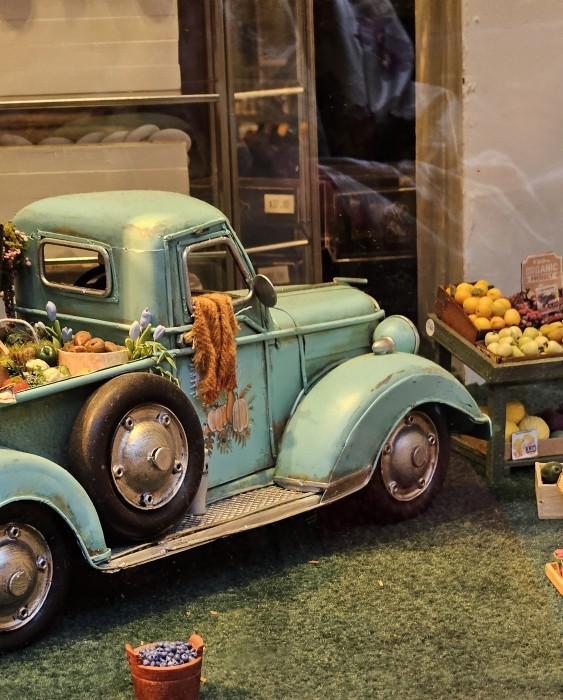
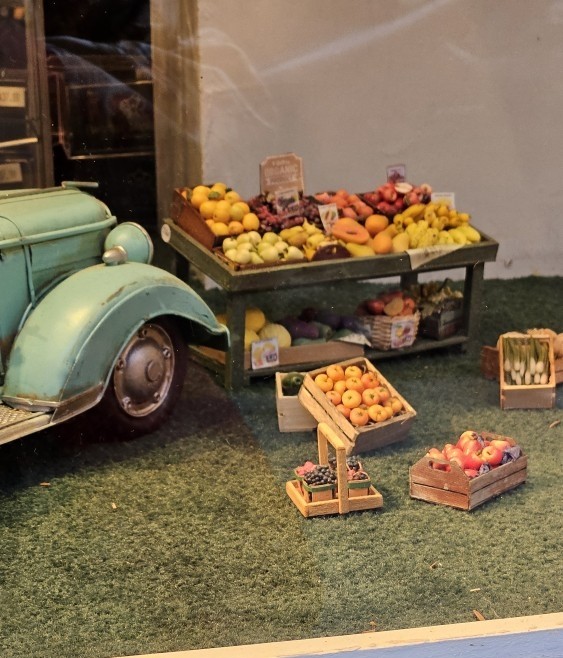

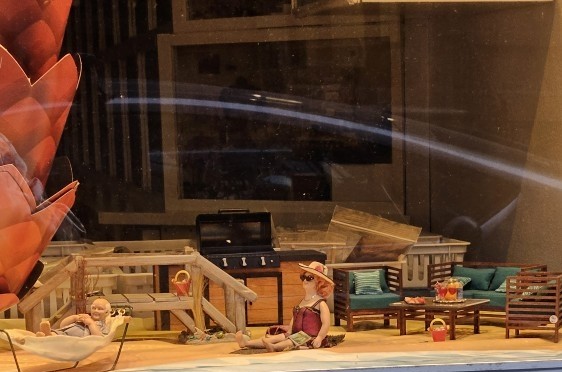
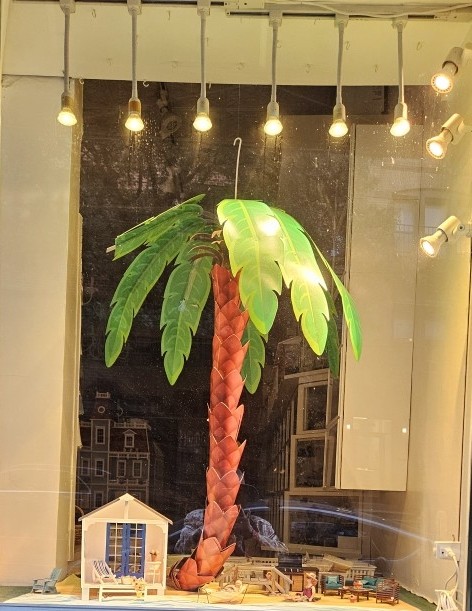
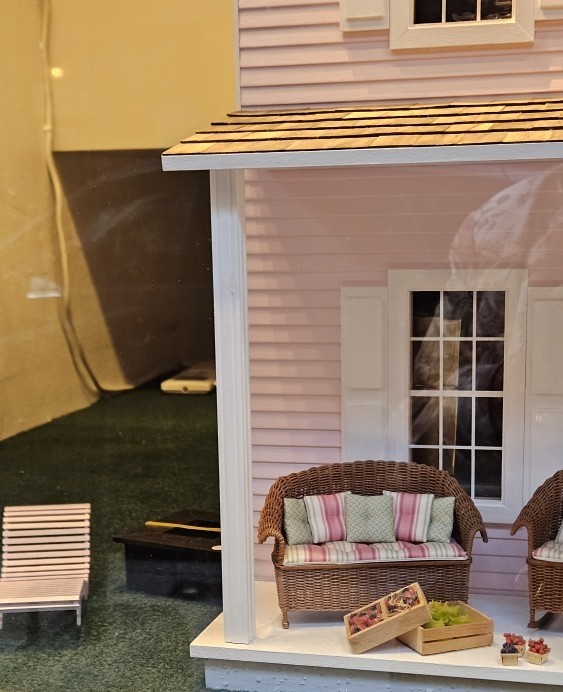
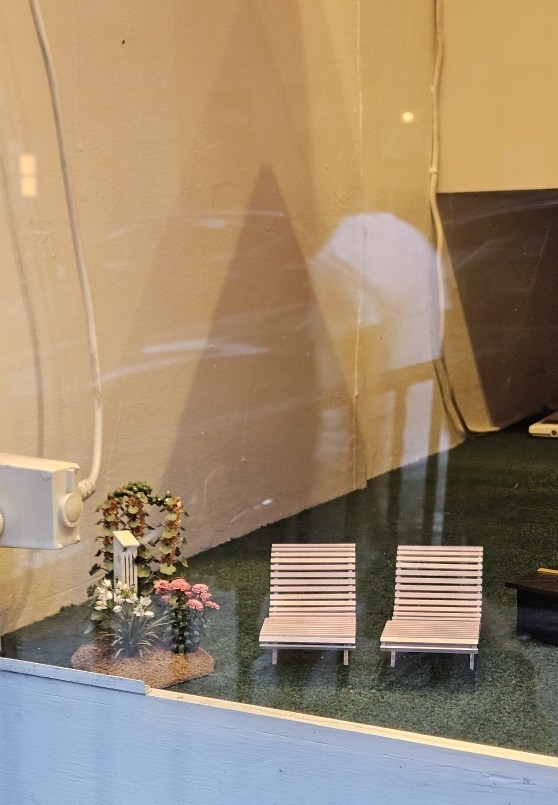
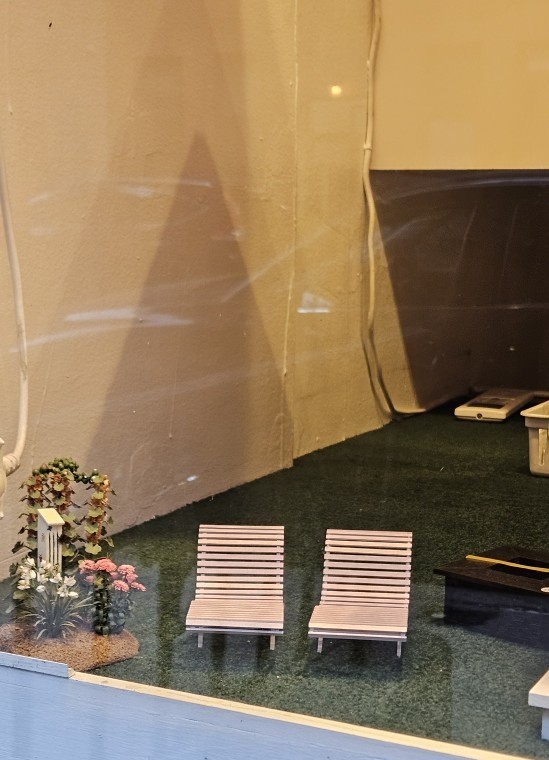
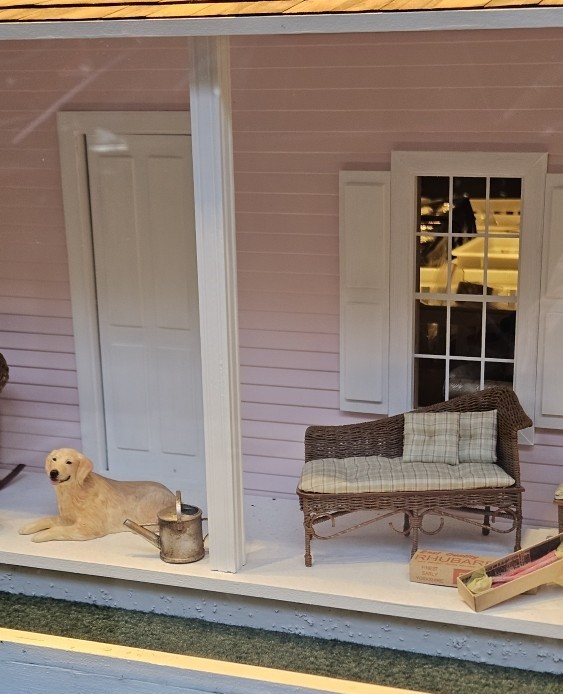
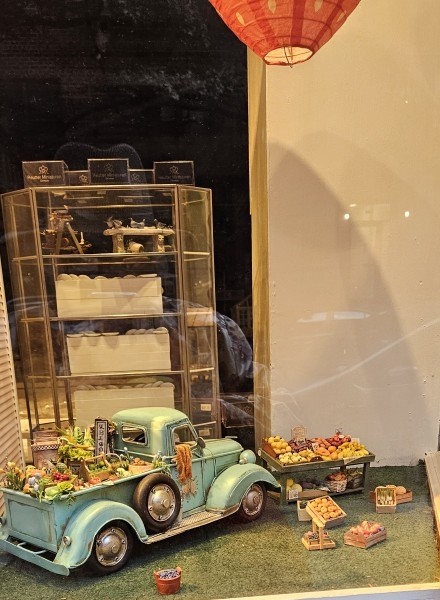
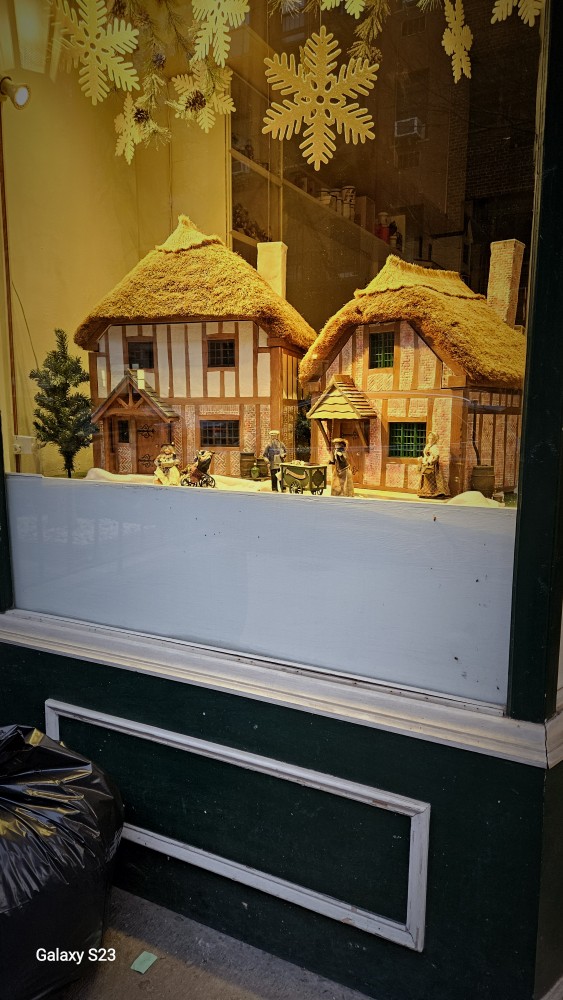
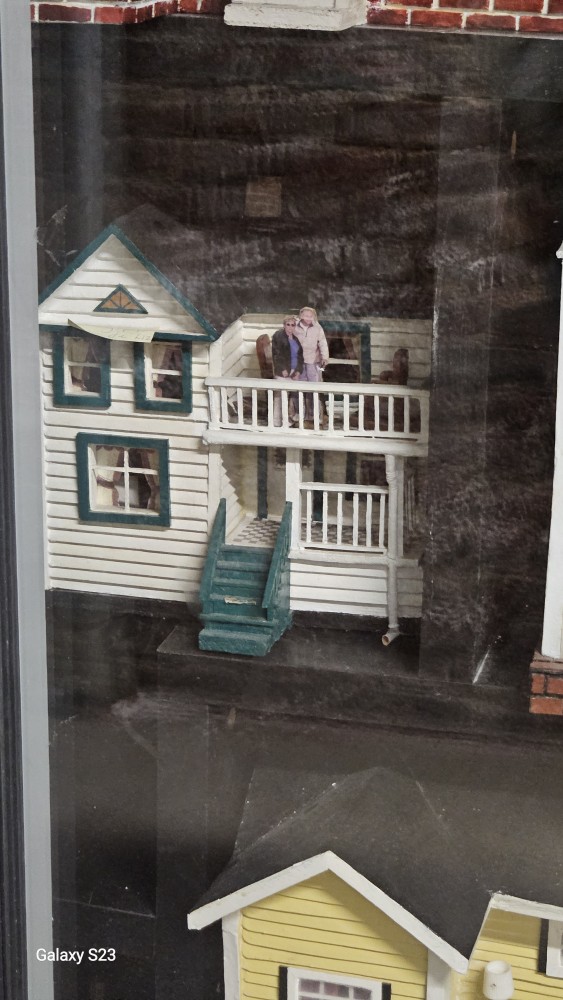
My friend A shared that, like me, she loves miniatures. I believe many of us do.
It may be a feminine preference, I don’t know, but I do like these.
Note that the two photos on the bottom were from earlier capture of earlier windows.
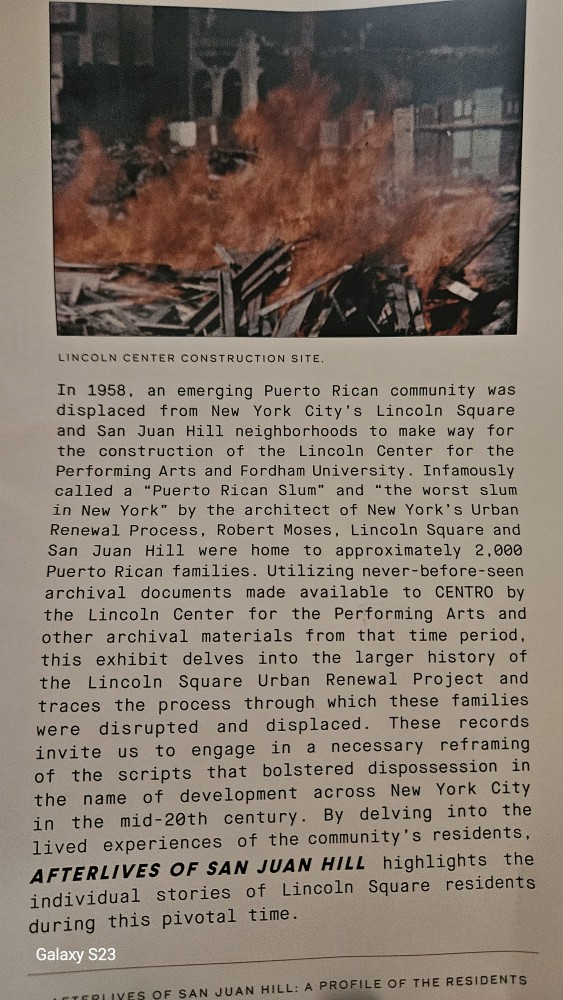
Data mining is bringing us a superb analysis of the effects of urban renewal on the stable, if impoverished, community of Puerto Ricans who were upended when Lincoln Center was built. And, folks, it turns out there is a lot of data.
Afterlives of San Juan Hill is the CENTRO project that compiled the analysis. The results and illustrations are now on exhibit at the Hunter College CENTRO, 3rd Avenue and 119th Street. The project was led and curated by Dr. Cristel M. Jusino Diaz with Christopher Lopez. Researchers were: Jorge R. Soldevila Irizarry, Laura Colón Meléndez, Damayra I Figueroa-Lazu.
What I learned from David Gelles at the Baruch luncheon the other day:
MBA, management by absence, was the proud invention of Yvon Chouinard, Patagonia’s owner and founder.
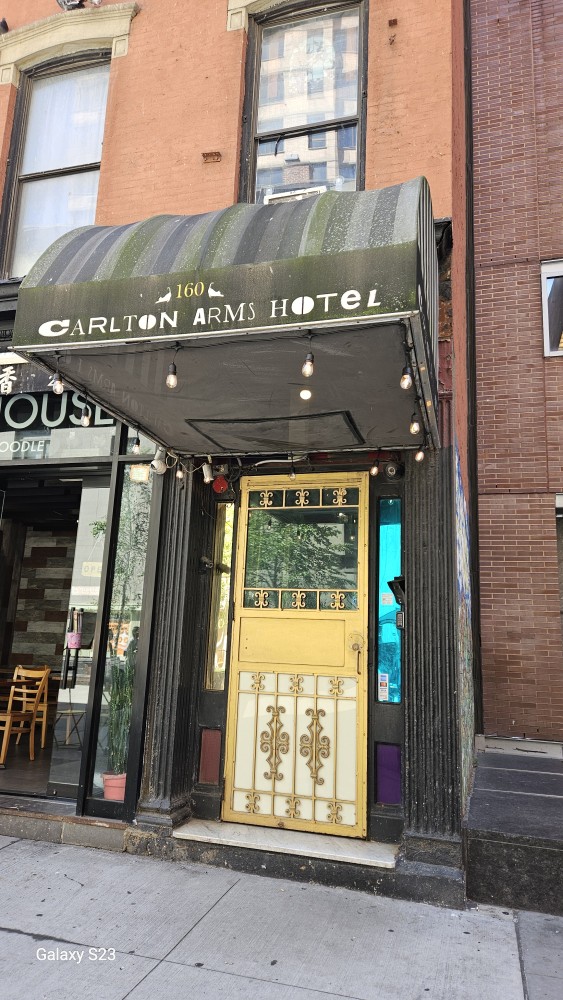

Through 501C-4 Patagonia was able to channel its funds to both political and environmental causes.
Short and sweet presentation. Gotta read the book for details!

 All The Best