Timothy Snyder has written On Tyranny and On Freedom.
I might say that we as a nation were asked to choose and oh boy!
You can find Timothy Snyder on Substack. Very uplifting and positive, although unfortunately much needed.
Timothy Snyder has written On Tyranny and On Freedom.
I might say that we as a nation were asked to choose and oh boy!
You can find Timothy Snyder on Substack. Very uplifting and positive, although unfortunately much needed.

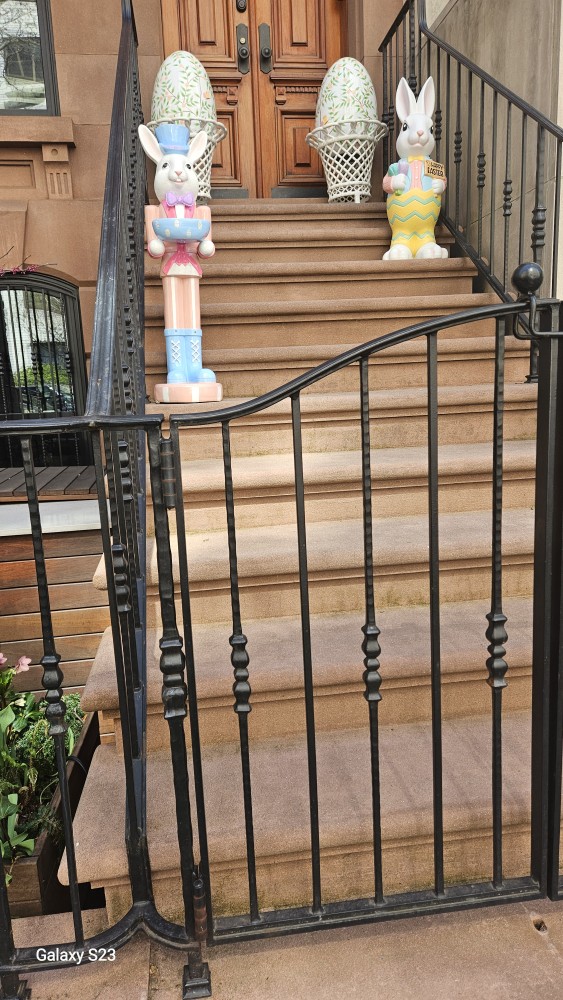
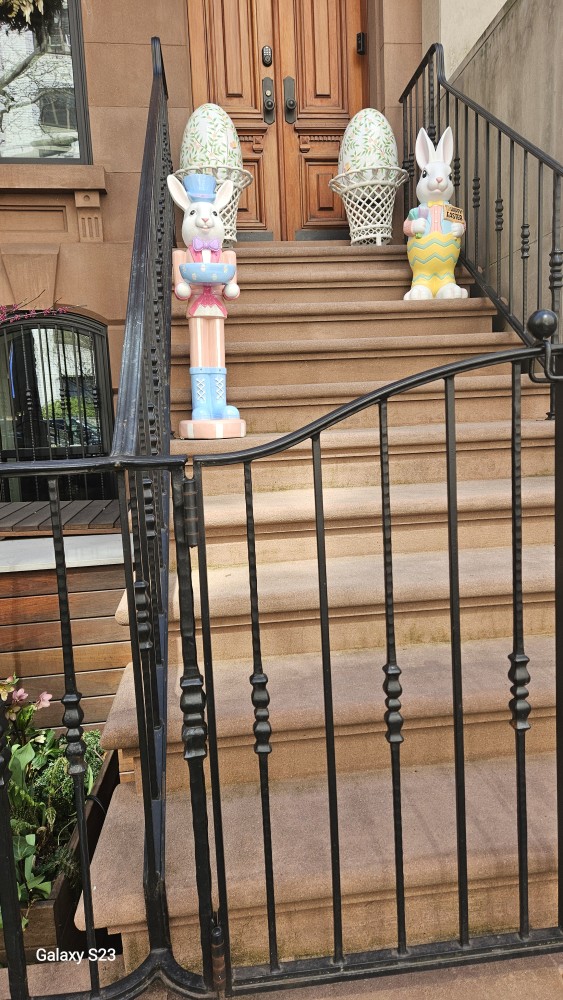
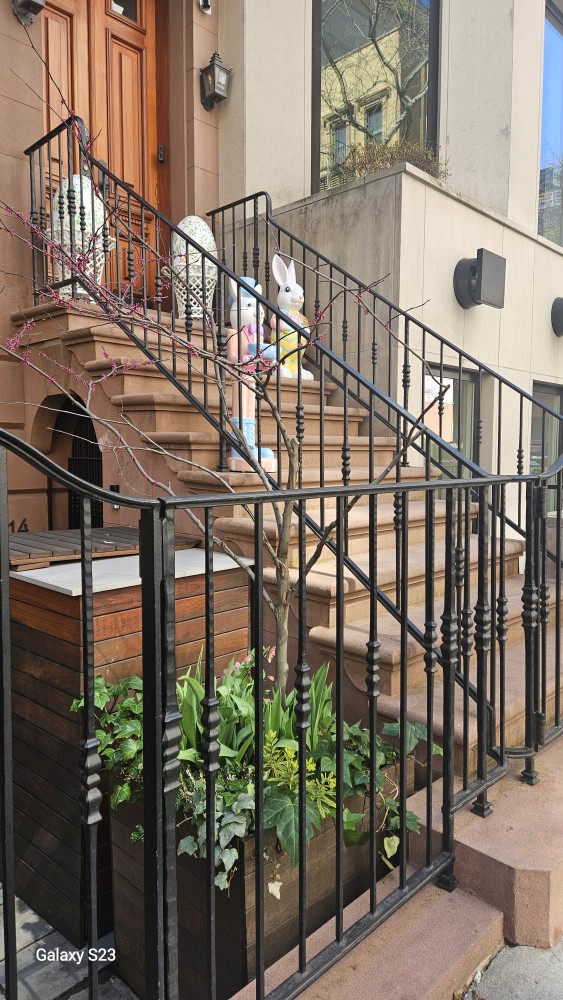
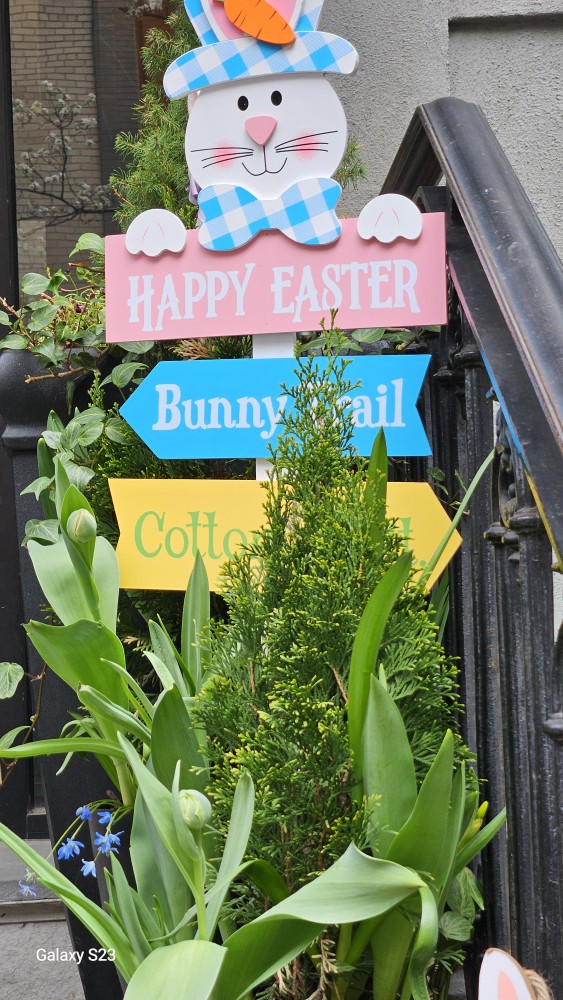
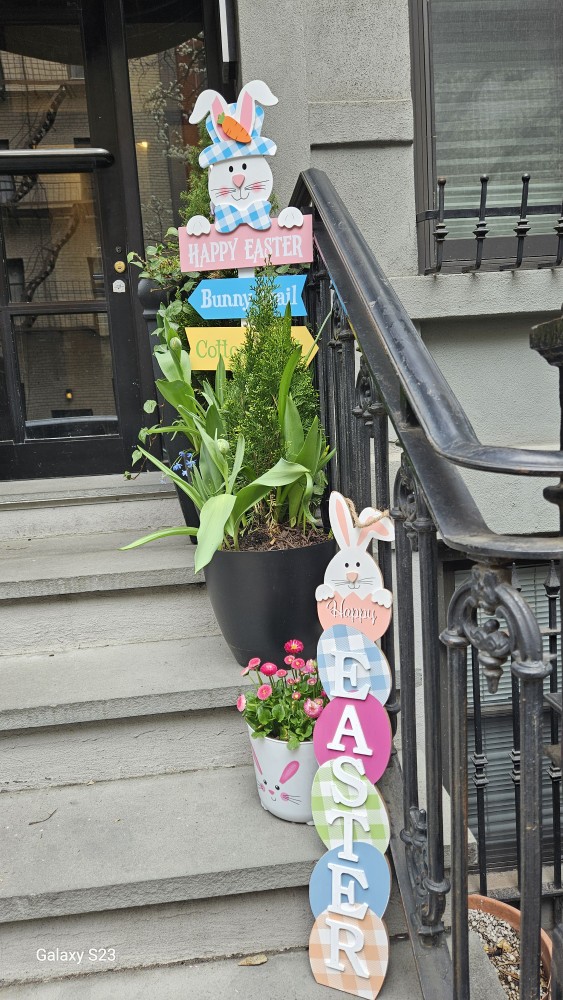


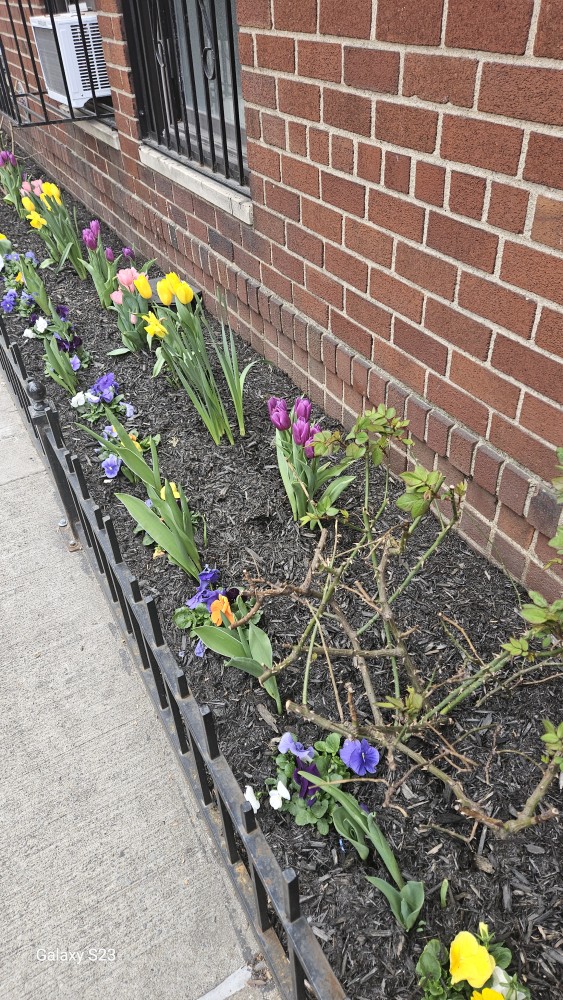
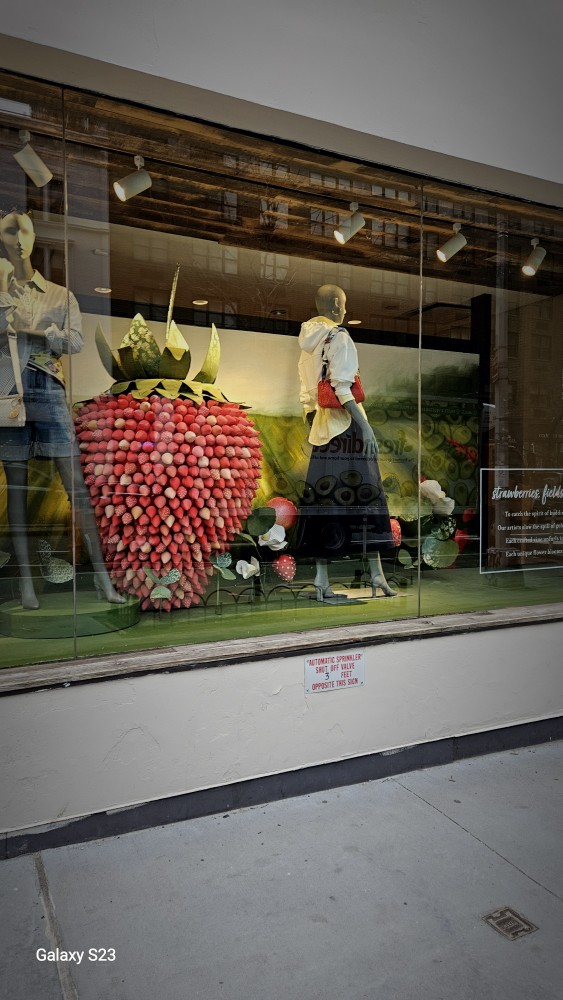
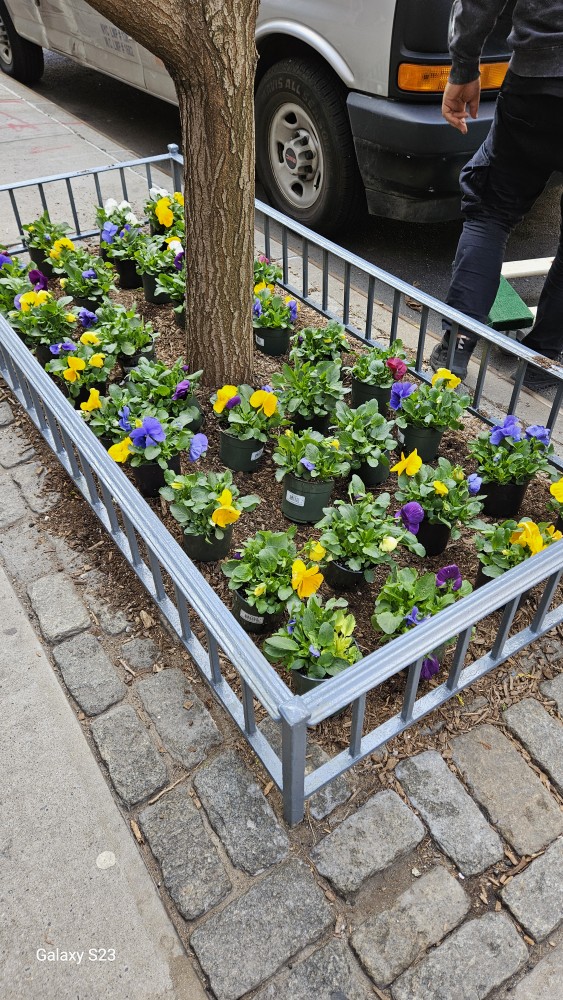
This is where you want to go, to El Barrio P.S. 109. Believe me, it really is.
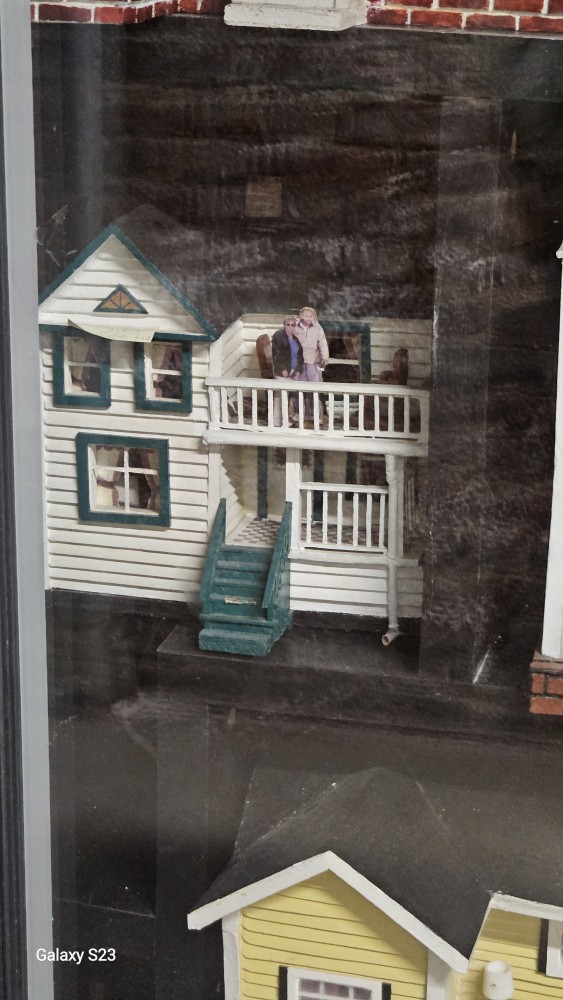
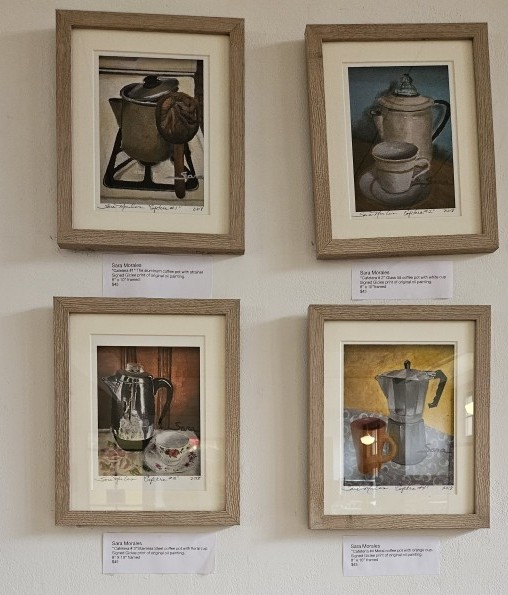
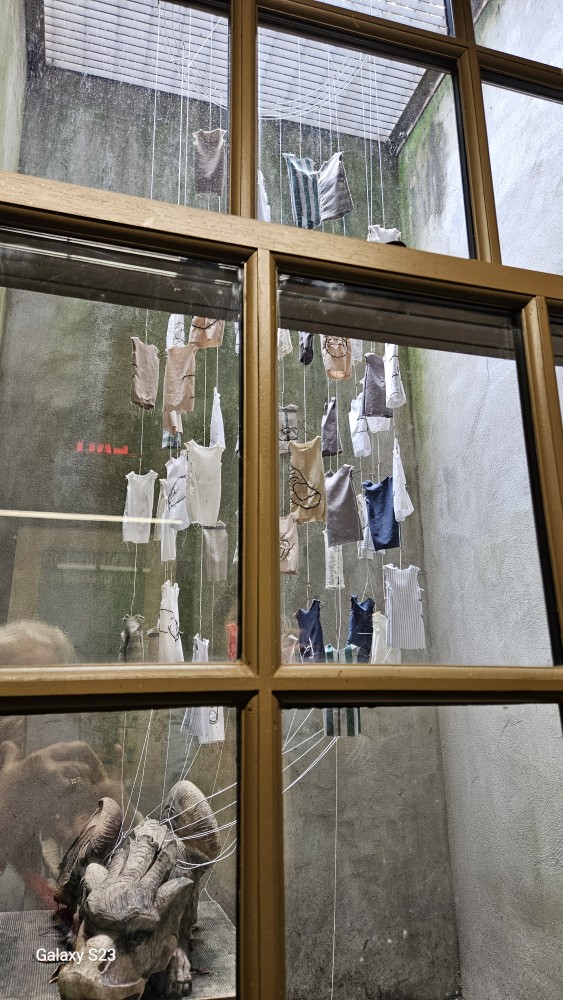
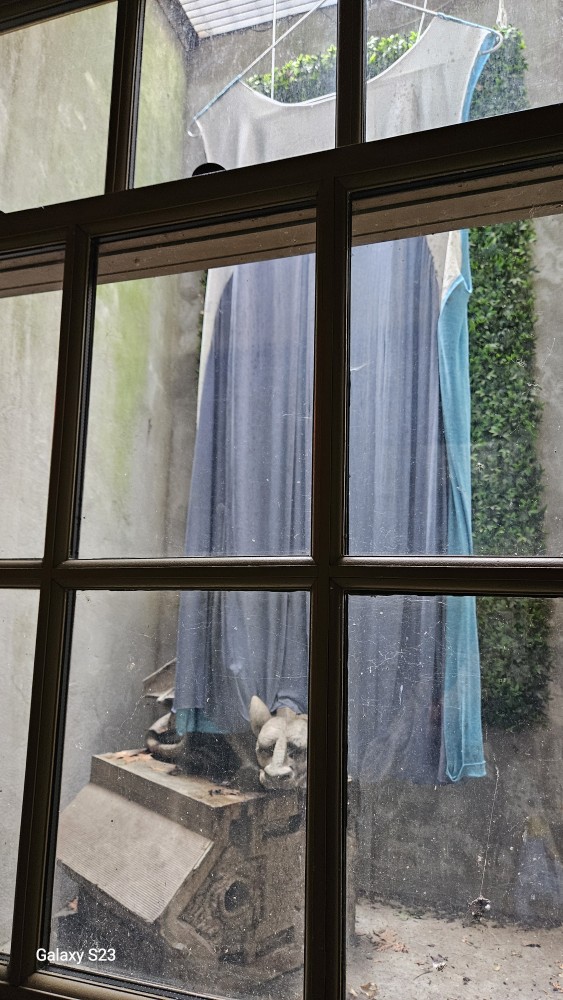
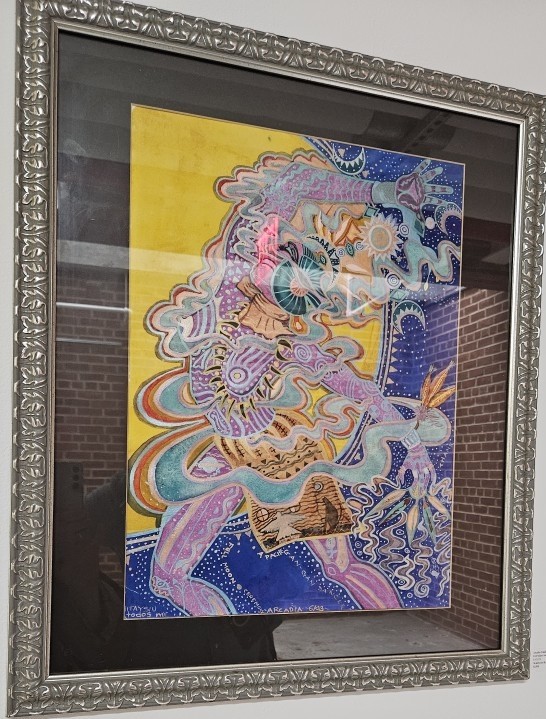
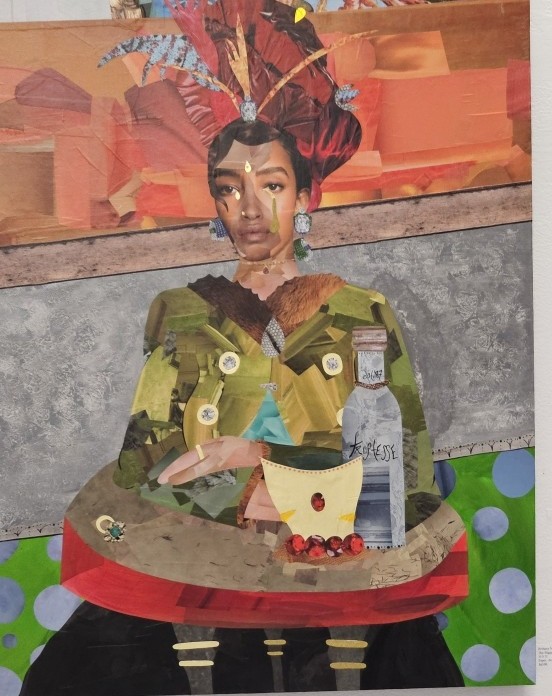
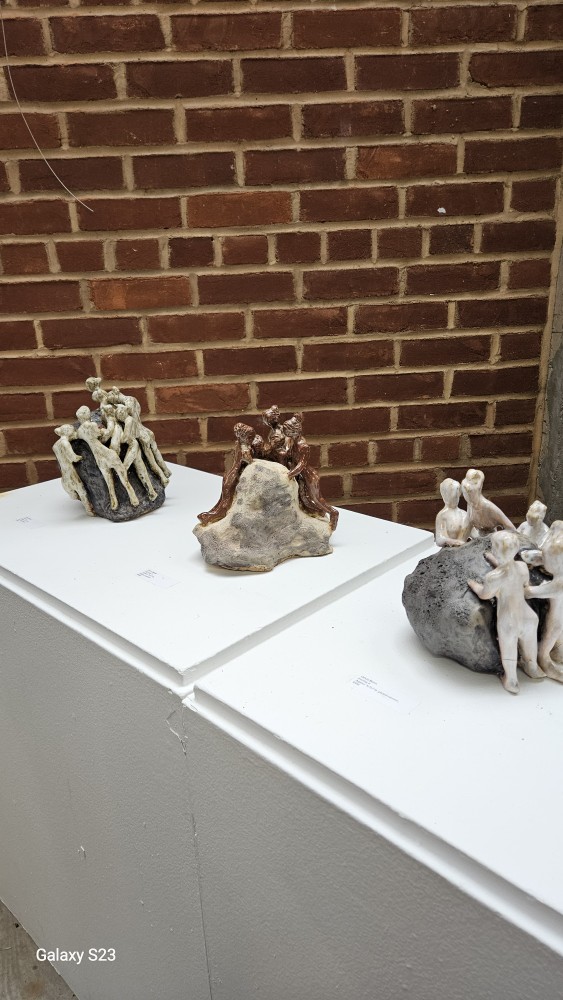
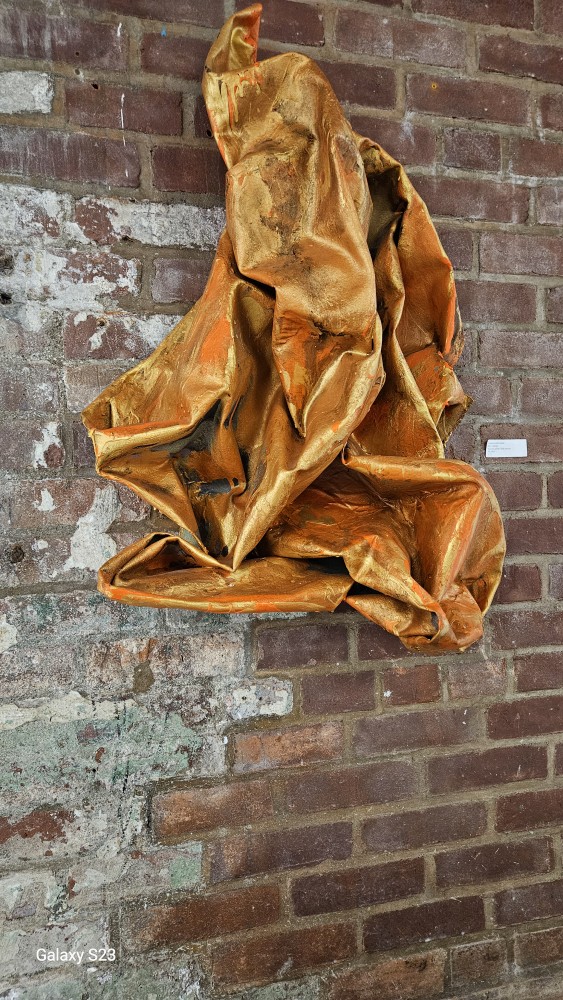
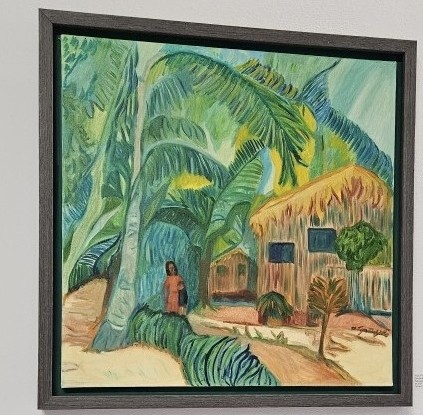
The Artspace has gallery spaces, studios for artists and residences under the NYC Connect lottery program.
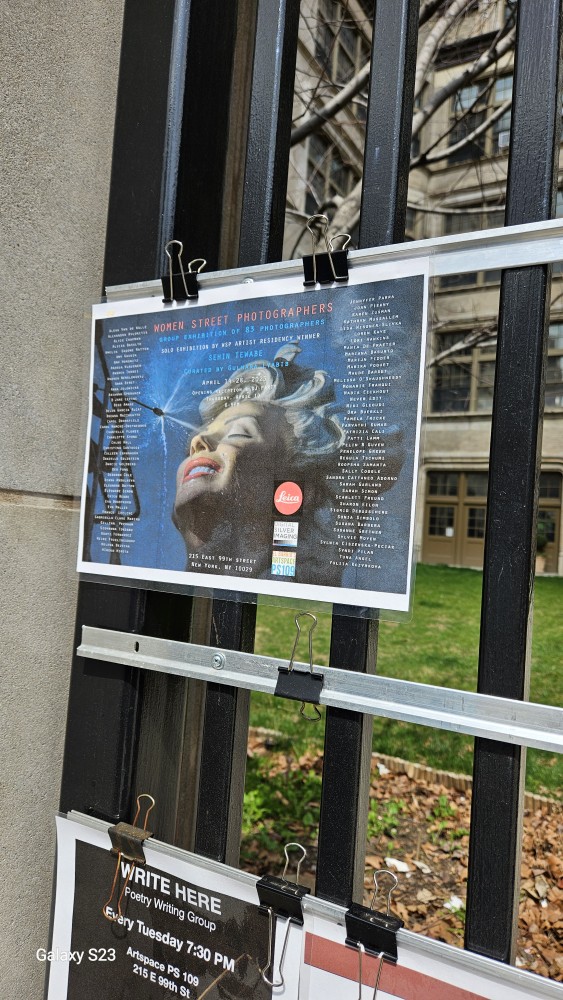
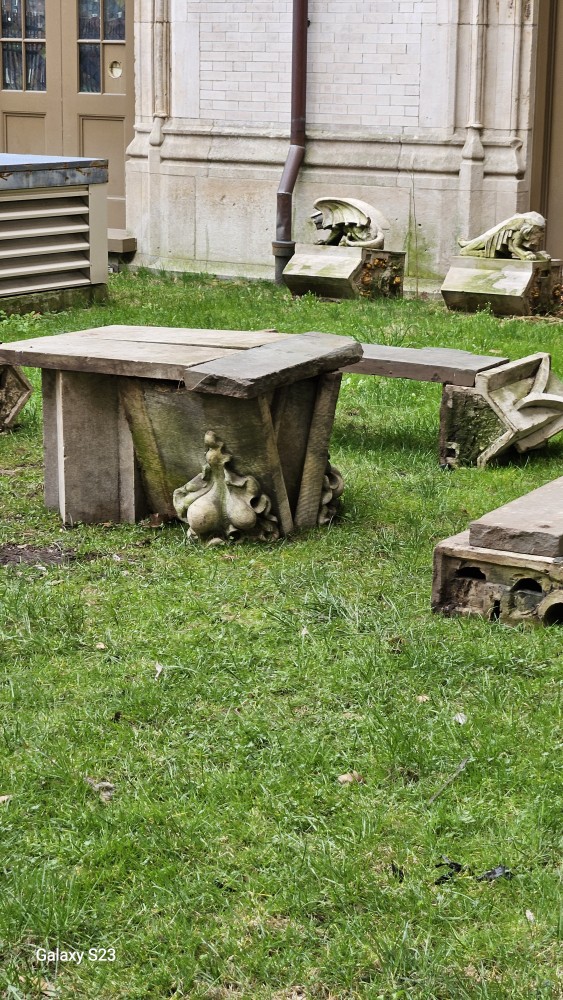
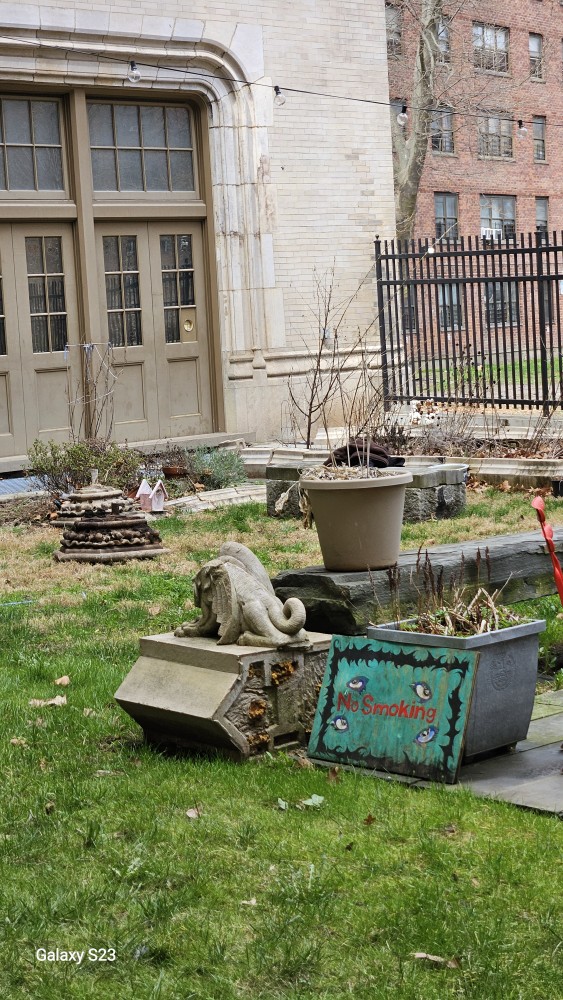
There are programs of dance and theater, for poets, writers and Women’s History Month, as well as gallery art shows at El Barrio’s PS 109 Artspace.
For example, this coming week, April 9th, at 7:30pm enjoy Cuba loves Puerto Rico, a dance party organized by Gerardo Cortino. Join a poetry workshop led by Bill Keys on Tuesday nights. An exhibit of Women’s Street Photographers opens on April 10th from 6pm.
This unique community space is located at 215 East 99th Street.


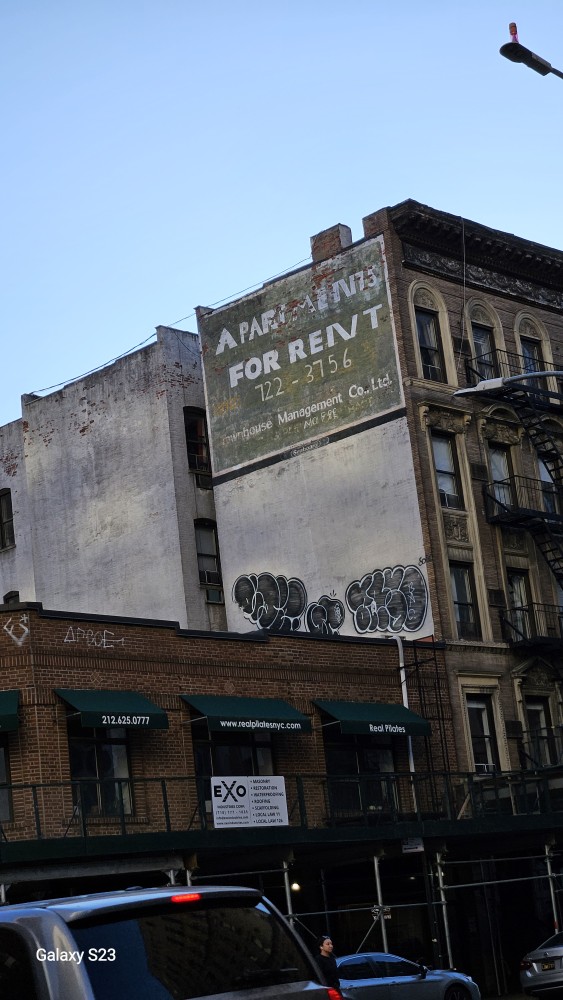
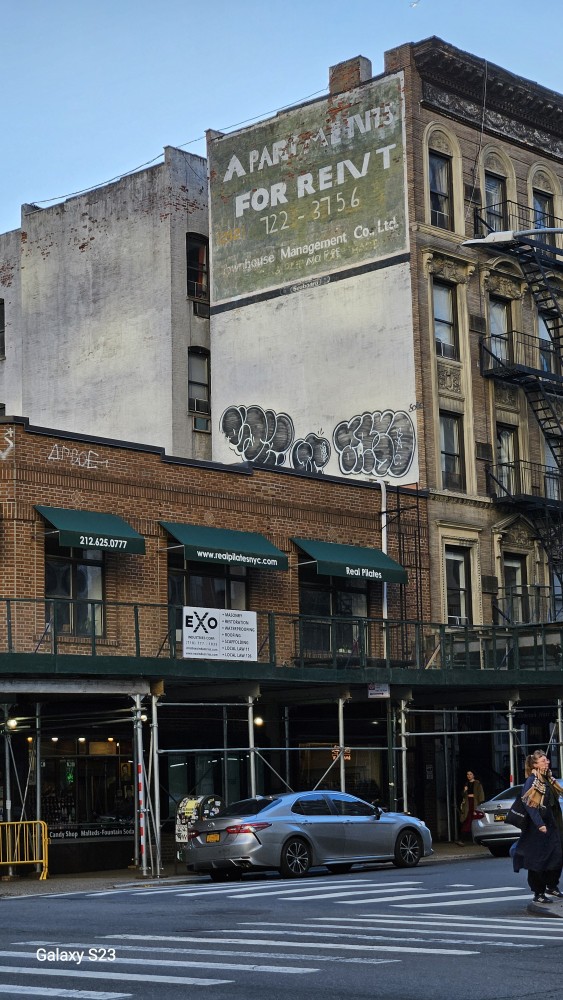


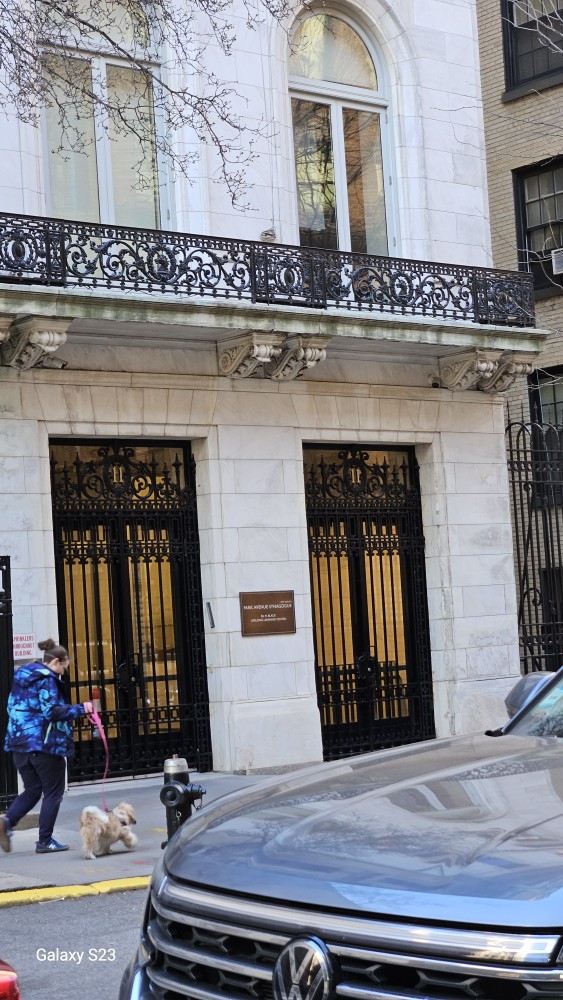


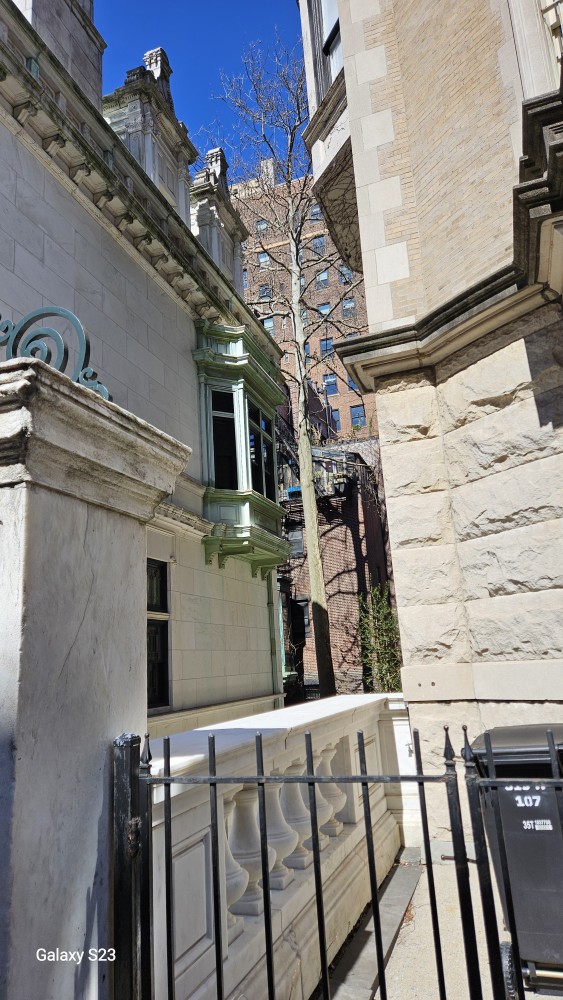

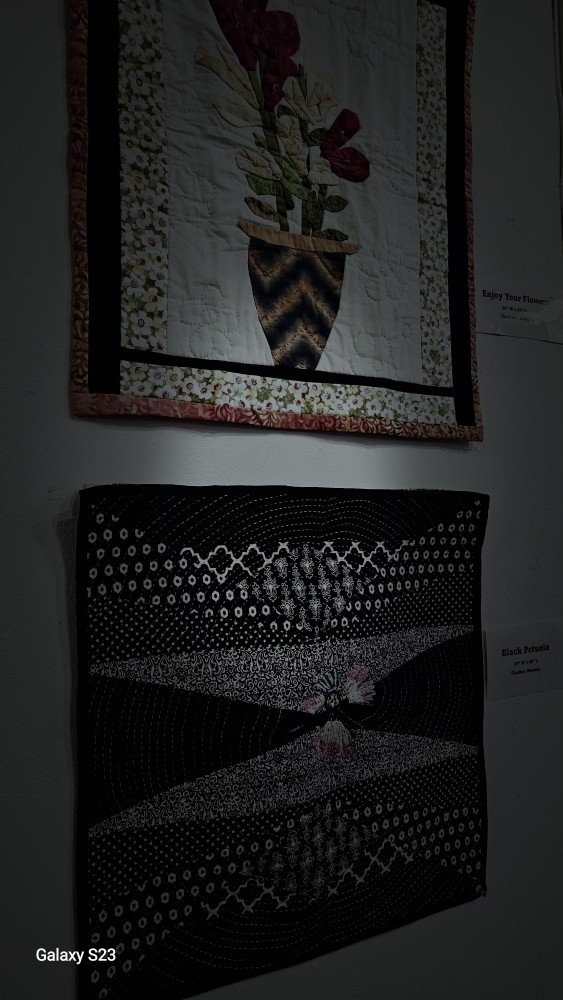
At Theatre for the New City
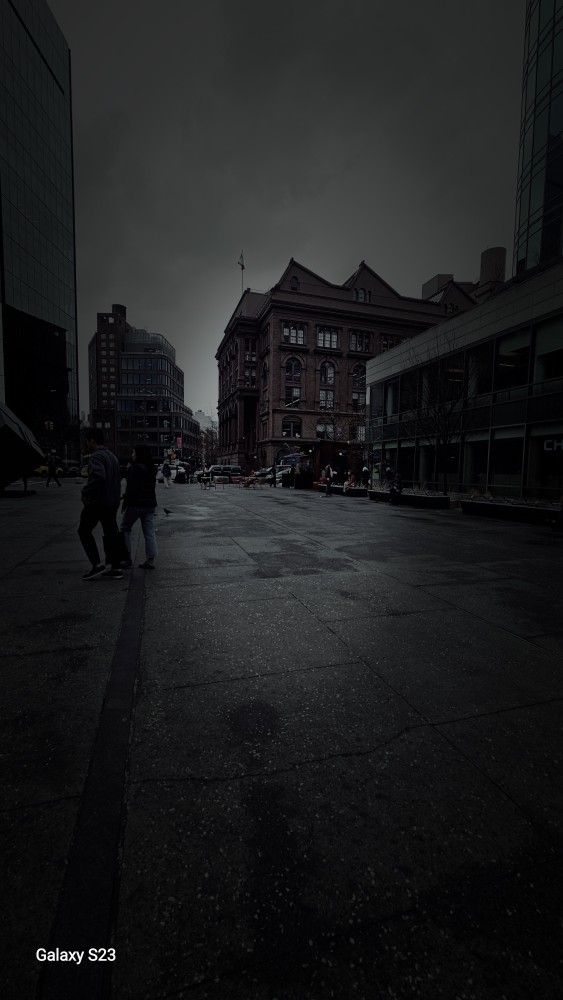
Astor Place. The Cooper Union.
My preference is veggie-forward plates. My stepchildren gifted me again with a vegan lunch. [Last month it was Le Botaniste.] I am delighted.
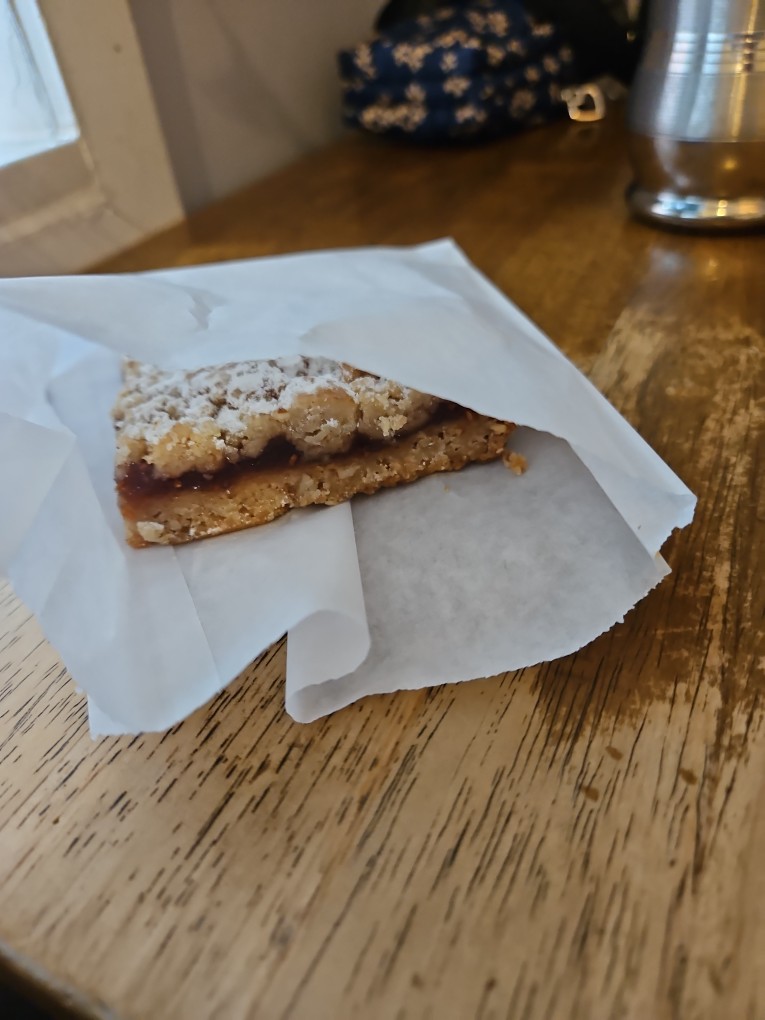
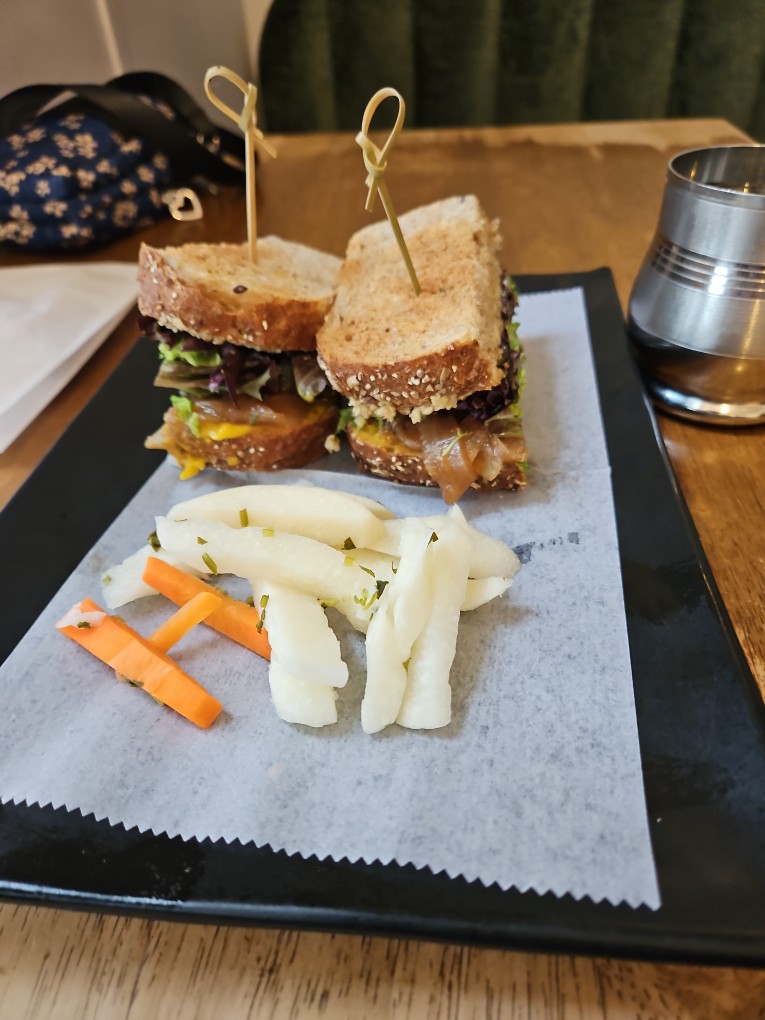
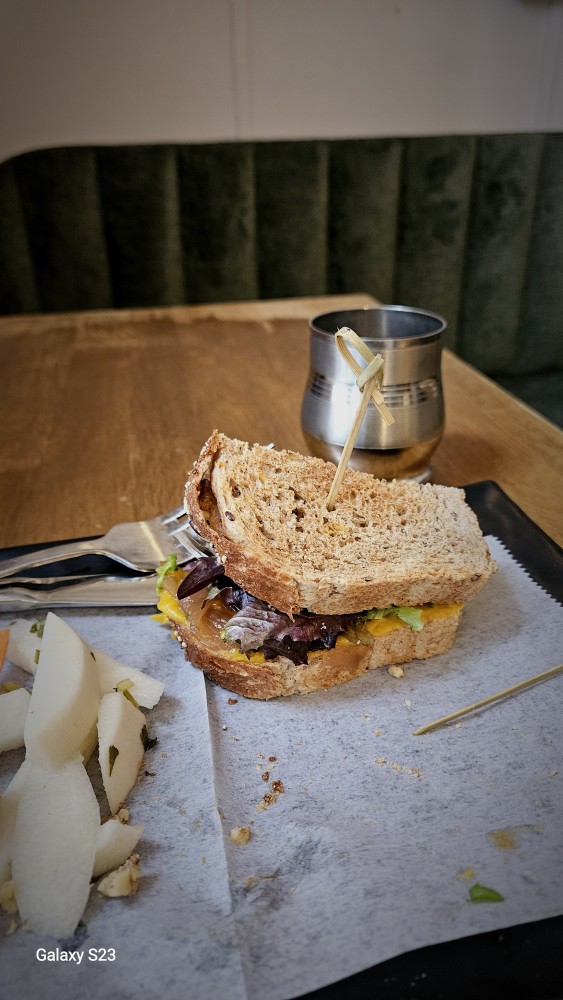
Today, I took my gift certificate and went to the uptown branch of PeaceFood.
The flavors in a seemingly simple sandwich are rich and complex. I know how difficult it is to follow a vegan regimen.
I watched our son-in-law learn to prepare amazing, exciting dishes from a vegan cookbook. He had a knack from the beginning.
The two restaurants are utterly different. Each faces its veganism with its own style and invention.
The feminist, the spiritual, the mystical is emerging as part of the history of art. Art no longer is defined exclusively as white and male.
It never belonged exclusively to the patriarchy.
The American Folk Art Museum is a showcase for art created by non-traditional makers and self – taught artists.
Last week, AFAM offered via Zoom a fascinating presentation in conjunction with an exhibit of Shaker creations, which has since closed.
The panel, Mystical Abstraction: Women, Spiritualism and the Arts, stands on its own. (Click above or here to enjoy on YouTube.)
We visited images created with the goal of connecting humans to the mystic or spiritual by women makers.
We learned of artists whose work informs and expands human knowledge.
We met women creators who channeled the devine.
The panel included Hilma’s Ghost a pair of collaborative artists, Sharmithsa Ray and Dannielle Tegeder and art historian and author Jennifer Higgie [The Other Side: A Journey Into Women, Art and the Spirit World]. The program was moderated by the Museum’s curator, Mathilde Walker-Billaud.
My quandary over what to «name« a post has led me to refine my activity.
I think I am gaining skill in the art of titling a story.
It’s about defining what you want to say.
It’s about grabbing a reader’s attention. It’s an important part of the process, especially in my «opinion« pieces. It’s very much a challenge for my poems.
Ok, so I have laid bare my longs and my shorts.
Here’s one where I came up with an “alternative” to the title I used.
The original was «Barkeep, I’ll have a….« The subject was simply musing on the art of tending to a coffee bar.
Saffron, that rare and expensive spice, is rare and expensive because it’s challenging to harvest.
As a spice, it’s a deeply yellow hue. The little florets are purple.
I did not know that.
Here’s advice that is both timely and practical, well, timely for me since there was a leak in my egg drawer. Not eggs, I’m happy to report as that would be a big mess, but it caused a need for a clean-up.
Don’t keep the fridge door open for longer than 5 minutes. Then give your refrigerator 20 minutes for recovery.
I don’t think I knew that. Didya?
I learned a new word from the NYT The Morning pangram (I want to call it pan-a-gram, but it’s not). Monocracy, government or rule by one person, also referred to as dictatorship.
Have a WordPress.com account? Log in now.

